Selling a beauty business, especially one with substantial annual revenues, offers unique opportunities and challenges. Whether you're transitioning into retirement, capitalizing on your investment, or shifting to new endeavors, the sale process can be a significant financial and personal milestone. This comprehensive guide explores the intricacies of selling your beauty business, how to value your company accurately, and the advantages of partnering with seasoned brokers like A.E. Business Brokers to maximize value and ensure a smooth transition.
Valuing a beauty business involves several key considerations:
Beauty businesses typically utilize a multiple of EBITDA to determine their worth, generally ranging from 3 to 5 times EBITDA, influenced by:
| Business Type | EBITDA Multiple |
|---|---|
| Standard Salon | 3.0x to 3.5x |
| High-End Spa | 4.0x to 5.0x |
| Franchise Beauty Shop | 3.5x to 4.5x |
Pre-Sale Preparation
A.E. Business Brokers excels in facilitating the sale of beauty businesses with our refined 10-step methodology. From conducting detailed business valuations to connecting you with a vast list of pre-qualified buyers, we ensure you receive optimal value for your business. Our commitment to a "no sale, no fees" service guarantees that our interests align with yours, providing peace of mind throughout the selling process.
Franchise operations in the beauty sector often command higher prices due to:
Effective marketing techniques include:
Choosing A.E. Business Brokers means leveraging over three decades of expertise in selling businesses valued between $1m and $40m. Our dedicated approach ensures your beauty business is strategically positioned to attract and secure the ideal buyer at the best possible price.
Embarking on the sale of your beauty business is a significant step in your professional journey. Whether you proceed independently or under the guidance of A.E. Business Brokers, strategic preparation and marketing are key to your success. Remember, partnering with a specialized broker not only increases the likelihood of achieving a favorable sale price but also significantly reduces the stress and complexity of the sales process.
Take the first step towards realizing the value of your beauty business by scheduling a free valuation with A.E. Business Brokers today. Let us guide you through each step, ensuring a profitable and seamless transition for your business's next chapter.
Navigating the steps of selling a medical lab and diagnostic center business, including conducting market research, creating a financial model, and preparing financial statements, can be a daunting task.
Selling a business is more than just a transaction; it's a significant life event in the business brokerage that requires careful planning, strategy, and a well-structured financial model backed by market research.
This blog post aims to guide you through this complex journey, offering expert advice on how to maximize your business value, understand your financial model and financial statements, ensure a smooth sale, and center your EBITDA.
We'll delve into key considerations such as timing, valuation, EBITDA, and finding the right buyer through a comprehensive business plan and business brokerage center - all critical elements in achieving a successful sale.
Whether you're just starting to contemplate a sale or are already deep into the process with your comprehensive business plan and EBITDA statements, this center guide will provide valuable insights to help you make informed decisions.
Understanding the market is crucial in selling your medical labs and diagnostic centers business. Stay informed about industry trends, competitor activities, and potential changes in regulations to position your business attractively.
Preparation is key when planning to sell your business. This includes cleaning up your financial records, resolving any outstanding issues, and ensuring all licenses and permits are up-to-date.
Valuation is a critical step. Seek professional help to accurately value your lab business based on factors like cash flow, assets, and market conditions.
Choosing the right broker can significantly influence the outcome of the sale. Look for a broker with experience in the healthcare sector and a track record of successful sales.
Marketing your business confidentially is crucial to prevent any unnecessary alarm among employees, clients, or suppliers. Use non-disclosure agreements to protect sensitive information.
Identifying potential buyers involves thorough research and vetting to find parties who are financially capable and interested in your type of business.
Navigating sale negotiations requires patience and strategy. Be prepared for give-and-take discussions, and always keep your business goals in mind.
Finally, closing the deal successfully involves legal documentation, transferring ownership, and ensuring all terms of the agreement are met.
Remember, selling a business, with its EBITDA at the center, is a complex process that requires careful planning and execution. Where necessary, seek professional advice and assistance, including a comprehensive business plan and EBITDA center, to ensure a smooth transition and a profitable sale.
The healthcare industry is dynamic. It's experiencing a surge in demand for medical labs and diagnostic centers, which is impacting the EBITDA as outlined in the business plan. This trend is driven by an aging population requiring frequent testing and diagnosis at the center. Equity investment in these facilities, at the center of growing interest, has seen a steady rise, reflecting the increasing attention of buyers.
The pandemic has also contributed. COVID-19 testing centers have become commonplace, driving growth in the market.
Buyers show a keen interest in labs offering specialized services. DNA testing labs are one example. They provide critical insights at the center of genetic disorders and potential health risks.
COVID-19 testing centers are another attractive investment. These facilities, now a center of attention, have gained prominence due to the ongoing pandemic, making them a hot commodity in the healthcare market.
Understanding buyer motivations, at the center of which is key to making informed decisions when selling your business. Some buyers seek to expand their existing service offerings by acquiring specialized labs, centering on their expansion. Others aim to center their efforts on entering new markets or leveraging industry trends for growth.
For instance, a hospital may want to acquire a DNA testing lab to enhance its genetic counseling services at the center. A pharmaceutical company might be interested in a COVID-19 testing center to strengthen its position during the pandemic.
Ensuring all regulatory compliance is crucial. It's a necessity to have all certifications up-to-date at the center. This step attracts serious buyers, who prefer businesses that adhere to rules and regulations.
The process involves checking all licenses and permits to ensure they are valid and current. You should also make sure your business center meets all health and safety standards.
Organizing financial records is another key step. Presenting an accurate financial performance at the center of your business is vital. Buyers want to see clear, organized records.
Your financial statements should center around the balance sheet, income statement, and cash flow statement. The balance sheet shows assets, liabilities, and equity. The income statement displays revenue and expenses. The cash flow statement reflects the inflow and outflow of cash.
You should also provide an adjusted EBITDA figure centered on your financial model. EBITDA stands for Earnings Before Interest, Taxes, Depreciation, and Amortization.
Buyers also examine operational processes when considering a purchase. A well-documented business plan can be beneficial here.
Your comprehensive business plan should detail the day-to-day operations of your medical labs or diagnostic centers business. It should also provide insight into future growth opportunities.
Making minor improvements to facilities can also enhance appeal. Even small changes at the center can have a significant impact on buyer perception.
Consider updating equipment or renovating areas that need attention in your medical labs or diagnostic centers business. These improvements could increase the value of your investment.
Business Brokers, who are at the center of transactions, can also assist with selling your business. They understand the selling process and have connections with potential buyers.
A thorough valuation by a professional broker could help you get the best price for your business.
Medical labs, like any business, can be valued using earnings multiples. This method involves multiplying the lab's annual earnings by a specific multiplier. For instance, if your lab earns $100,000 per year and the industry-standard multiple is 3x, your lab would be valued at $300,000. It's simple math, but it requires accurate financial records.
The multiplier varies depending on several factors, including the type of tests your lab performs and the demand for these tests in your market area. Labs that offer specialized or high-demand tests may command a higher multiplier.
Another approach to valuing your lab is an asset-based valuation. This method considers the value of all tangible and intangible assets owned by the medical lab. Tangible assets include equipment, real estate, and inventory. Intangible assets can be patents or proprietary technology.
This valuation method is often used when a lab has significant assets that aren't fully reflected in its earnings. However, it's important to remember that this method doesn't account for future earning potential.
A key factor in valuing a medical lab is its growth potential. A growing lab in a growing market will have a higher valuation than a stagnant one in a declining market.
Potential buyers want to know they're investing in a business with room to grow. They'll look at trends in your client base, revenue growth over time, and new services or markets you're planning to enter.
Your lab's position within its market also impacts its value. A dominant player with a large share of the local testing market will be more attractive to buyers than a small player struggling to compete.
If you've built strong relationships with doctors or hospitals who regularly refer patients for testing, this adds value, too.
To get the most accurate valuation, consider hiring a professional valuation service. They have the expertise to analyze all aspects of your business and can provide a detailed report on its value.
Professionals will consider all the factors mentioned above, plus others you may not have considered. These could include industry trends, the competitive landscape, and the regulatory environment.
Choosing a reputable broker is critical. Experience matters, especially in healthcare businesses. A broker with specific knowledge of medical labs and diagnostic centers can provide valuable insights. They understand the industry's nuances, challenges, and opportunities. For instance, Synergy Business Brokers has been operating for 16 years, focusing on healthcare businesses.
A broker's reach is equally vital. The broader their network, the better their chances of finding potential buyers. This means they have connections across borders, ensuring a wider pool of prospects, which increases your chances of securing a satisfactory deal.
Confidentiality is paramount in business sales. A good broker understands this and ensures privacy throughout the process. They protect sensitive information while effectively marketing your business to potential buyers.
A customized marketing program is essential for targeting the right buyers. It ensures your business reaches those interested in medical labs and diagnostic centers. This strategy also helps maintain confidentiality during the sale process. The program should be designed to highlight your business's strengths and unique selling points. For instance, if your lab possesses certain licenses that others don't, that can be a significant advantage.
The marketing materials need to be carefully crafted to avoid revealing sensitive information. They should focus on general details about the business and its potential for growth. Using broad terms like "medical lab for sale" instead of specific names or locations can help maintain secrecy.
Once you have a marketing program in place, it's time to reach out to potential buyers. Large medical labs and private equity investors are often interested in acquiring smaller businesses. However, communicating with these entities requires discretion to protect your business's confidentiality.
One way to do this is to use a third-party intermediary like a broker or an attorney. They can approach potential buyers on your behalf, ensuring your identity remains anonymous until necessary. Another method is indirect advertising, such as industry newsletters or online platforms specializing in business sales.
Brokers play a crucial role in maintaining confidentiality during the sale process. Their primary task is screening inquiries from potential buyers before they reach you. This process weeds out unserious buyers and protects sensitive information about your business.
Choosing the right broker, as discussed in the previous section, is key here. Experienced brokers understand the importance of discretion and have strategies in place to manage it effectively. They also have access to networks of serious buyers, increasing the chances of a successful sale while minimizing risks.
Medical labs and diagnostic centers are attractive to a variety of buyers. Pharmaceutical companies often buy these businesses for their research capabilities. They can use lab facilities to develop new drugs or improve existing ones. On the other hand, wealthy doctors may purchase them as an investment or to expand their practice.
Finding the right buyer for your business is crucial. It involves identifying those interested in the specific types of labs you offer. For instance, some buyers might be drawn to labs specializing in clinical chemistry. Others might be more interested in those focusing on reproductive biology.
Understanding a potential buyer's strategic goals is key to making compelling pitches. By knowing what they want, you can tailor your pitch to highlight how your business can help achieve those goals. This could involve demonstrating how your lab's specialties align with their areas of interest.
Negotiating the sale of your medical labs and diagnostic centers business is a crucial step. The goal is to achieve a fair price and favorable conditions. You are not just selling a business, but years of hard work and dedication.
The buyer's initial offer may not align with your expectations. It's essential to review their proposal carefully. Consider the size, revenue, and state of your business. Also, reflect on the market trends in the field.
Flexibility can be a game-changer in negotiations. It opens doors for creative solutions that benefit both parties. For example, you might offer the buyer a training period post-sale. This gesture can increase the business value in the buyer's eyes.
Another approach is transitional support. Assisting the new owner during the initial months can smooth out any bumps in the road. Remember, it's not just about selling at a high price but also ensuring continuity of service.
A skilled broker can be an invaluable asset during negotiations. They bring expertise in acquisitions and understand how deals are structured and sold.
Brokers have experience negotiating terms that protect sellers' interests while still appealing to buyers. They can help overcome obstacles that might otherwise derail negotiations.
Finalizing the sale agreement is a critical step. It involves ironing out every detail of the deal. The contract should include terms of payment, future liabilities, and non-compete clauses. Thorough due diligence by both parties is crucial. It ensures that all financial statements and operational reports are accurate.
Transferring ownership is another essential process. The buyer assumes control over the medical labs and diagnostic centers business. Legal documents must be signed and filed correctly to avoid future disputes. The seller often provides transitional support to ensure smooth operations.
A broker plays a pivotal role in the sale process. They liaise with lawyers, accountants, and other professionals involved in the deal. Their expertise helps navigate complex negotiations and finalize the sale efficiently.
Compliance with regulations cannot be overlooked during a business sale. Both parties must ensure they adhere strictly to healthcare laws and industry standards. Non-compliance can lead to severe penalties or even nullify the deal.
Cash flow is a vital aspect to consider when selling your business. Buyers look at cash flow projections to assess the viability of their investment. Consistent cash flow indicates good performance and increases the chances of a successful sale.
Selling your medical labs and diagnostic centers business is not a decision to be taken lightly. It involves meticulous preparation, understanding the market, accurately valuing your business, and finding the right broker to guide you through the process. The journey from marketing your business confidentially to successfully closing the deal requires strategic planning and careful navigation.
But remember, you're not alone in this. With the right resources and guidance, you can turn this complex process into a successful venture. So, take action today. Start preparing your business for sale, identify potential buyers, and navigate those sale negotiations confidently. Your successful business sale is just around the corner.
Research the current trends in the healthcare industry, evaluate your competition and understand the needs of potential buyers.
Ensure all financial records are up-to-date, improve your business's curb appeal, address any legal issues, and prepare a comprehensive information memorandum.
You can use various methods such as discounted cash flow, multiples of earnings or assets valuation. Consider hiring a professional appraiser for an accurate valuation.
Look for brokers with experience in your specific industry. Check their track record, ask for references and ensure they have a strong marketing strategy.
A good broker will help you market your business without revealing its identity until necessary. They maintain confidentiality by using blind profiles and Non-Disclosure Agreements (NDAs).
Potential buyers could be larger healthcare companies looking to expand, entrepreneurs entering the health sector, or private equity firms interested in healthcare investments.
Be clear about your terms from the start. Maintain open communication with potential buyers, but let your broker handle most of the negotiations to ensure professionalism.
Ensure all agreements are documented legally. Also, consider offering transitional assistance to the new owner after closing the deal.
Contrary to popular belief, not all brokers are created equal. Some shine brighter than others in this concrete jungle. So, how do you find a stellar New York City Business Broker? Stay tuned as we delve into this topic.
In the bustling metropolis of New York City, navigating the business world can be daunting. The landscape is filled with opportunities and challenges alike. Whether you plan to buy or sell a business, having an experienced business broker by your side can make all the difference.
A good New York City business broker understands the ins and outs of the city's market, making them an invaluable asset in your entrepreneurial journey, but finding the right one? That's where the real challenge lies.
Our advisors will help you get the best possible price for your business while taking the lead on getting your business sold so you can focus on running your business successfully. Start your journey with us and leverage our expertise for a seamless selling process.
Buying a business doesn’t have to be overwhelming. Get advice and guidance from our experienced team of advisors to ensure a smooth process. Our services are designed to make your buying experience as stress-free as possible, giving you the confidence to make informed decisions.

Is Your Product Overlooked? Businesses often find themselves with products or services that don’t receive the attention they deserve. These are often termed “orphaned” because they are available but rarely purchased or used.
Signs of an Orphaned Product:
Steps to Investigate Further:
By systematically addressing these indicators, businesses can determine if they have products that need more attention and strategic refinement.
Customer feedback is a treasure trove of insights waiting to be unearthed. When utilized effectively, it can drive significant improvements and ensure your business remains competitive and customer-focused. But how exactly can you leverage this valuable resource? Let's break it down.
Feedback provides a direct line to understanding what customers find frustrating or problematic. By systematically reviewing complaints or suggestions, you can uncover recurring issues that need attention. Addressing these pain points not only resolves existing customer concerns but also prevents future dissatisfaction.
Listen carefully to what your customers love and what they wish were different. This can guide product development and enhancements, ensuring your offerings align closely with consumer needs. Companies like Apple take user feedback seriously, often incorporating suggestions directly into new product iterations.
Details on service encounters, both positive and negative, offer a roadmap for enhancing customer interactions. For instance, Amazon has used such insights to streamline processes and customize user interfaces, ultimately enhancing the shopping experience.
Engaging customers and demonstrating that you value their opinions fosters trust and loyalty. When people see their feedback leading to tangible changes, they feel integral to your brand. This sense of involvement can transform one-time buyers into lifelong advocates.
Feedback doesn’t just highlight the past and present; it can also spark innovation. Use it as inspiration for new product lines or services. By tapping into unmet needs and emerging trends, you can position your company at the forefront of industry innovation.
Establish a continuous feedback loop by:
Incorporate these strategies, and you'll not only respond to customer needs but also anticipate them, setting your business up for sustained success.
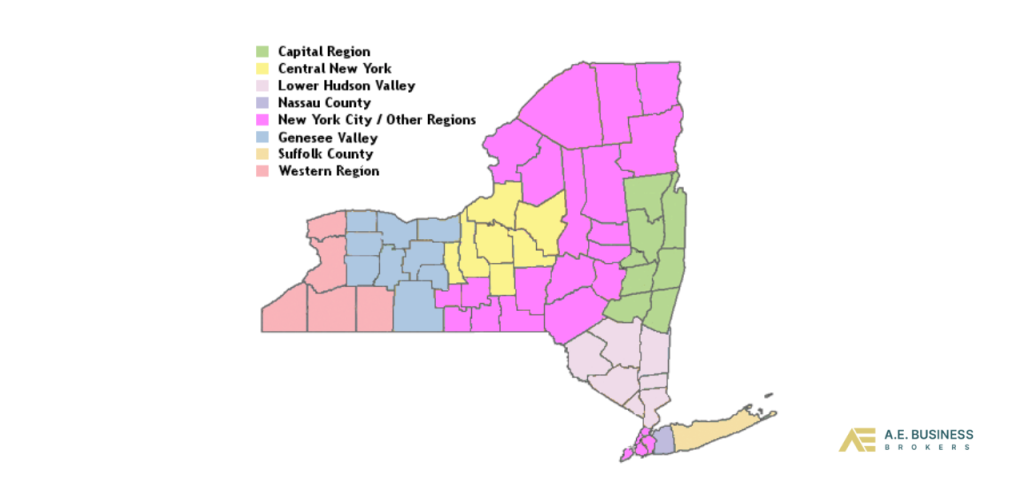
Selling a business in New York City presents unique opportunities and challenges across its diverse boroughs—Manhattan, Queens, Brooklyn, the Bronx, and Staten Island. Each has its own economic landscape and buyer profile, which can significantly influence the selling process. Experts recommend having a dedicated team familiar with the nuances of NYC to assess your business's financials, estimate its market value, and align it with current trends. This personalized approach helps ensure your business is presented optimally to potential buyers.
Upstate New York, encompassing cities like Albany, Buffalo, Rochester, and Syracuse, presents different opportunities. This region is often overlooked, yet it offers a diverse economic base and a range of potential buyers. The sales process here benefits from knowing the local markets intimately and tapping into the unique characteristics—from the scenic Finger Lakes to urban business centers. Engaging with knowledgeable brokers who understand these varied landscapes is crucial for positioning your business effectively in the upstate market.
By tailoring the approach to the specific characteristics of each New York region—NYC, Long Island, and Upstate—you maximize the potential for a successful and profitable business sale.
Long Island boasts a rich tapestry of industries, from technology and healthcare to manufacturing and construction. The area comprises numerous cities and towns with varying economic vitality and industrial focus.
Selling a business here requires understanding the regional market dynamics and the specific industries thriving within these communities. Considering the distinct character of areas from Babylon to Massapequa, a targeted sales strategy can significantly boost your business's appeal.
Selling a business on Long Island involves several essential steps to ensure a successful transaction. Here's a breakdown to guide you through the process:
Engage with a seasoned business broker to begin. They'll provide an initial consultation to understand your business's unique aspects. A professional valuation will follow, clearly understanding your business's worth in the current market.
Before listing, preparing your business to appeal to potential buyers is crucial. This includes:
With Long Island's diverse economy, from tech to healthcare, a tailored marketing strategy is vital. Your broker will:
Maintaining confidentiality is key. Your broker will market the business discretely, avoiding disrupting ongoing operations while maximizing exposure to serious buyers across Nassau and Suffolk counties.
Once offers come in, your broker will screen potential buyers to ensure financial capability. They'll then negotiate offers, striving for terms that meet your needs and maximize value.
Buyers will conduct due diligence to validate the business's performance and operations. Prepare to provide comprehensive documentation and be ready to answer questions about your business's future potential.
With all parties in agreement, your broker will assist in drafting the sales agreement, ensuring that all legal and financial terms are clear and binding. They'll coordinate with legal and financial advisors to close the deal smoothly.
Post-sale, there may be a transition period where you assist the new owner. This helps maintain operational continuity and customer satisfaction.
Selling a business on Long Island requires expertise and understanding of the local market, involving various strategic and legal steps to secure a successful sale. Partnering with knowledgeable professionals ensures your business is effectively positioned and sold with maximum benefit.
Navigating the commercial business broker landscape in Pittsburgh can be complex yet rewarding. Here's what you need to know to make informed decisions.
A business broker acts as an intermediary between buyers and sellers of businesses. Their expertise ensures smooth transactions and negotiations, often proving invaluable in evaluating business worth, preparing necessary documentation, and facilitating communications.
Establish clear communication with your broker. Transparency regarding objectives and constraints leads to better outcomes. Regular updates and feedback loops can enhance this professional relationship.
Navigating the Pittsburgh business broker landscape requires diligence and informed decision-making. By understanding these key elements, you can effectively engage in the market.

Selling a business in New York can range from a quick turnaround to a lengthy process, depending on several factors. On average, it might take six months to a year to find the right buyer and complete the transaction. However, there are instances where businesses can sell in just a couple of months, particularly if they are well-prepared and priced competitively.
While timing is crucial, understanding the odds of successfully selling your business is equally important. Several factors influence these odds, including:
Statistics suggest that about 20% of small businesses on the market successfully sell, emphasizing the importance of strategic planning and market positioning.
By focusing on these elements, you can increase your chances of not only selling your business but doing so efficiently and profitably.
While the timeline can vary widely, being well-prepared with a strategic approach can streamline the sale process and increase your chances of a timely transaction.

When it comes to selling your business, sidestepping common pitfalls can make the difference between a seamless transaction and a stressful ordeal. Here’s how to navigate the process effectively:
Failing to prepare can lead to missed opportunities. Before you even list your business, take time to:
Incorrect valuation is a frequent mistake. To avoid this:
Maintain discretion to avoid unsettling employees, clients, or vendors:
Not every interested party qualifies as a viable buyer:
Going solo can lead to missteps:
By steering clear of these common mistakes, you’ll enhance your prospects for a successful and profitable sale. Embrace a strategic approach, and you’ll be on your way to a seamless transition.
New York is a beacon in the business world, and mergers and acquisitions (M&A) are pivotal in shaping its market. This bustling hub is a prime target for companies aiming to establish or expand their footprint in the United States.
New York offers an unrivaled entry point for international companies eager to penetrate the US market. By acquiring New York-based firms, these businesses gain immediate access to a strategic location with an established customer base and a pool of talented employees. This acquisition expedites their market entry and enhances their competitive edge.
M&A activities are not solely about geographical presence. They're intrinsically linked to enhancing the core strengths of the acquired companies. Potential buyers often seek targets with unique expertise, diverse client portfolios, and standout products or services. These attributes can significantly bolster the acquirer's offerings and market presence, leading to synergetic growth and innovation.
The M&A process in New York is highly competitive. The presence of multiple interested buyers can significantly boost the value of a company, benefiting the seller with better prices and favorable terms. This competition ensures that the acquired companies are valued for their location and overall contribution to the business ecosystem.
In summary, mergers and acquisitions drive growth and innovation in the New York business market by facilitating strategic market entries, enhancing business capabilities, and fostering competitive valuations.

Business brokers are crucial in facilitating mergers and acquisitions (M&A) in Upstate New York, connecting sellers with potential buyers within and outside the region.
Companies headquartered in Upstate New York often seek opportunities to broaden their reach. Brokers assist by identifying potential buyers from nearby regions, allowing local companies to expand their footprint without straying too far from their original base. For example, a business in the Lake George area might be matched with a buyer from the Rochester area, ensuring both parties benefit from regional synergies.
Acquiring a profitable company in Upstate can benefit businesses outside New York. Brokers facilitate these transactions by showcasing the unique benefits of Upstate New York, such as reduced operational costs and untapped customer bases. This strategic acquisition can help out-of-state companies gain a foothold in this increasingly attractive market.
Upstate New York is also a prime target for expansion by companies based in New York City. Brokers highlight the lower expense profiles and existing customer relationships upstate businesses offer. These factors make acquisitions appealing to NYC companies looking to diversify and cut costs.
Lastly, business brokers emphasize Upstate New York’s exceptional quality of life, characterized by its stunning lakes, rivers, and mountain ranges like the Adirondacks and Catskills. This lifestyle appeal can be a strong factor in attracting buyers who value both economic opportunity and an enriching living environment.
Overall, business brokers in Upstate New York serve as critical intermediaries, guiding transactions that cater to the specific needs of both local and external buyers while leveraging the area's unique advantages.
Navigating the complex world of mergers and acquisitions (M&A) can be overwhelming. That's where business advisory services come into play, providing the guidance needed to steer these pivotal transactions successfully.
Advisors begin by understanding your business goals. Whether it's expansion, diversification, or increasing market share, they tailor strategies to align with your objectives. This involves identifying potential targets, evaluating opportunities, and predicting challenges.
Advisory experts conduct thorough due diligence to assess the financial health and viability of the target company. They identify liabilities and potential risks, from legal to operational, minimizing surprises post-acquisition.
Determining the right price can be tricky. Advisors have the expertise to perform accurate valuations using industry metrics, ensuring fair deals. They also facilitate negotiations, working towards terms that benefit all parties while safeguarding your interests.
Once the deal is sealed, advisors assist in the critical integration phase. They create detailed plans to merge cultures, systems, and operations, ensuring a smooth transition. Their insights reduce downtime and foster quick adaptation to new structures.
Regulatory compliance is paramount. Advisors help navigate legal requirements, keeping you on the right side of industry regulations and maintaining ethical standards.
Businesses can confidently undertake mergers and acquisitions by leveraging these services, mitigating risks and enhancing value creation.

Buying a business is a significant step, and registering on a business advisory platform can provide numerous advantages.
Registering as a buyer allows you to make smarter, more strategic investments in the business landscape. You'll have access to resources that enhance your decision-making and enjoy a smoother, more comprehensive buying experience.
Business advisory services concentrate on three essential pillars to provide comprehensive support to entrepreneurs:
These core concepts empower entrepreneurs through tailored advice and strategic planning.

Our Business brokers are experts in their field. They have deep knowledge and experience in handling the complexities of business sales. Selling a business involves various legalities, documentation, and negotiations. A.E. business broker NYC can help navigate these processes with expertise.
For instance, we understand how to prepare a business for sale, including accurately valuing it. This process can be complex because it evaluates financial performance, market conditions, and future potential. Without this expertise, you risk undervaluing your business, overpricing it, and scaring off potential buyers.
Our Business brokers have extensive market knowledge that can benefit sellers immensely. They know what buyers are looking for and how to present your business in the best light to attract them. Their understanding of market trends enables them to advise on the right time to sell.
A.E. business brokerage in New York City has specific local knowledge that could give you an edge. We understand the city's business landscape and can help you target the right buyers. For example, they'll know if there's a surge in interest for businesses like yours from foreign investors or certain industries.
When selecting a small business broker NYC and New Jersey, relationships are the cornerstone of success. It's essential to choose a broker who has invested time in building strong and lasting industry connections. These relationships can open doors to exclusive opportunities and facilitate smoother transactions. A well-connected broker can leverage their network to find the right buyer, ensuring your business is presented to a wide and relevant audience.
Selling a business is time-consuming. It involves marketing the business, vetting potential buyers, negotiating deals, and managing paperwork. These tasks require significant time investment, which could distract you from running your existing operations smoothly.
With over three decades of practical experience, A.E. business broker NYC has established itself as a leading choice for M&A and business brokerage services in the region.

Selecting the right business broker involves examining their network and relationships. Our brokerage firm prioritizes building valuable partnerships with key players in the industry. This includes private equity groups and SBA lenders.
By bridging the gap between private equity groups and SBA lenders, we create a cohesive ecosystem that supports successful transactions and business growth.
Our brokerage firm prioritizes a client-first philosophy. Our brokers are not only well-trained and experienced but are also deeply committed to providing comprehensive assistance to each client. Unlike many competitors, we operate without any upfront fees, ensuring that our services are accessible and risk-free.
Our approach is rooted in dedication; we go the extra mile to ensure every client receives tailored support and guidance throughout their business journey. This unwavering commitment to client satisfaction sets us apart and underscores our belief in fostering long-lasting professional relationships.

A.E. Business Brokers in New York are seasoned in facilitating mergers and acquisitions across various key industries. Our professionals often focus on the technology, distribution, construction, and manufacturing sectors. Their expertise extends to healthcare, where they navigate the complex landscape of medical businesses.
Additionally, the services industry, including engineering and consulting, is a significant area of specialization. Transportation businesses also frequently benefit from the broker's guidance. Typically, our brokers handle businesses with annual revenues ranging from $1 million, ensuring they cater to a broad spectrum of companies looking to maximize their market potential.
Having business brokers strategically positioned in different areas of New York provides many advantages.
First, brokers with local expertise can offer invaluable insights into the market conditions of each specific region. Understanding neighborhood trends, regulations, and buyer preferences allows brokers to tailor their strategies effectively, ensuring a seamless transaction process.
Furthermore, being spread across multiple areas in New York allows brokers to attract a broad spectrum of potential buyers. Not only do local companies seek these opportunities, but international investors are also keen to establish a footing in New York. This diverse interest enhances the potential for successful acquisitions.
For companies looking to expand their footprint, acquiring a New York-based business is often a strategic move. Brokers with regional reach can identify ideal acquisition targets, presenting options that align with a buyer's strategic goals.
In summary, the widespread presence of business brokers in New York optimizes market access, insight, and buyer-seller connections, ultimately facilitating successful business transactions.

Our business brokers are crucial in bridging the gap between international buyers and New York-based companies. Here's how we manage this intricate process:
We start by vetting potential buyers, both domestic and international, to ensure they are financially ready and genuinely interested in acquiring a business in New York. This vetting process helps in connecting serious buyers with sellers.
With a robust understanding of the business landscape in regions such as New York City, Long Island, and the Tri-State Area, our brokers actively match international buyers with opportunities that align with their strategic goals. This personalized matchmaking transcends mere numbers, considering cultural nuances and specific market dynamics that may influence a business's appeal.
International acquisitions require a keen understanding of legal and regulatory requirements. Our business brokers are adept at handling these complexities, often consulting with legal and financial experts to ensure compliance with U.S. And foreign regulations. This guidance is vital for facilitating smooth transactions.
Our brokers utilize an expansive network and leverage global platforms to market New York businesses to overseas investors. By showcasing the unique advantages of New York's diverse markets, we can attract international interest that reflects the region's global appeal.
A.E. Business Brokers achieve successful matches between New York companies and international buyers by connecting vetted buyers with tailored opportunities, navigating legal complexities, and effectively marketing to global audiences.
A professional business broker in New York City can provide you with access to a vast network of potential buyers. They have connections within the industry and understand how to reach out to the right people. This is particularly beneficial for businesses that are unique or specialized.
Brokers use their established contacts and marketing channels to attract interest. They can identify serious buyers, thus saving you time and effort. Their expertise ensures your business gets the right exposure, leading to quicker sales.
Beyond just numbers, a broker can assess how your business fits into the New York market landscape. This local expertise allows them to tailor their approach, ensuring they target buyers specifically interested in your business's unique aspects. Whether your business is in New York City, Long Island, Westchester, or Upstate NY, their extensive network encompasses qualified buyers throughout the entire Tri-State Area.
Finally, we devise a tailored marketing strategy to attract qualified buyers. We leverage our extensive network of contacts and use various marketing channels like online platforms, print media, and direct outreach.
Our goal is to generate maximum exposure for your business while maintaining confidentiality. We screen all inquiries to ensure they come from serious buyers who have the financial capability to complete the transaction.
By understanding the broader business landscape and the specific regional nuances, brokers can strategically position your business to attract the right audience, ensuring a smooth and efficient sale process.
Another advantage of hiring a broker in New York is their ability to negotiate effectively. They have the skills and experience to secure your business's best sale price.
Negotiation can be complex, requiring knowledge of market trends, buyer motivations, and legal requirements. A professional broker navigates these complexities, ensuring you get a fair deal.
From valuation to closing, brokers offer comprehensive support throughout the sale process. They help determine an accurate value for your business based on its financial performance and market conditions.
Once a potential buyer is found, they assist with due diligence checks and contract negotiations. Brokers also facilitate communication between all parties involved, ensuring a smooth transition.

Our first step is an initial consultation. We meet with the seller to understand their business and goals. This involves a detailed discussion about the company's history, operations, and prospects.
We also discuss the seller's objectives for selling the business. Some might want to retire, while others wish to pursue new opportunities. Understanding these goals helps us tailor our approach.
The second step is market analysis. We study the current market conditions in New York City and compare them with similar businesses that have recently been sold. This allows us to gauge potential buyer interest and determine an optimal selling price.
Market analysis also includes evaluating industry trends and economic factors that could impact sales. This ensures we are well-prepared for any market fluctuations.
Thirdly, we conduct a business valuation. This process determines the worth of your business based on various factors such as financial performance, assets, liabilities, and potential growth opportunities.
A precise valuation sets a realistic asking price and clarifies your business's financial health. It can be a powerful tool during negotiations with potential buyers.
Finally, we devise a tailored marketing strategy to attract qualified buyers. We leverage our extensive network of contacts and use various marketing channels like online platforms, print media, and direct outreach.
Our goal is to generate maximum exposure for your business while maintaining confidentiality. We screen all inquiries to ensure they come from serious buyers who have the financial capability to complete the transaction.

Our team uses the latest market data to ensure competitive pricing. We understand the importance of setting a price reflecting your business's worth. It's not just about numbers on a balance sheet. It's about understanding the market, knowing what buyers are looking for, and positioning your business accordingly.
We don't just look at financial statements. Our expert analysis identifies your business's unique value propositions. These could be strong customer relationships, proprietary technology, or an exceptional team. We consider all these factors when determining the right price for your business.
Strategic pricing is a key aspect of our approach. We aim to attract a broad range of buyers by setting a competitive and fair price. This involves careful analysis of market trends, competitor activity, and buyer behavior.
Our advisors have years of experience conducting business valuations in New York City. They work closely with accountants and other professionals to ensure accuracy and compliance with legal requirements.
Valuing a business takes time, but we believe it's time well spent. A thorough valuation can help you avoid costly mistakes and maximize your return when selling your business.
Rigorous Screening s screening of potential buyers. They ensure financial capability before any negotiations begin. This process eliminates time-wasting inquiries and focuses only on serious prospects.
They verify the buyer's financial status through bank statements, credit reports, and other documents. This step is crucial to avoid any future financial issues during the transaction.
Business brokers also offer exclusive network access that significantly reduces the time a business stays on the market. Their connections with investors and entrepreneurs facilitate quick matches between sellers and buyers.
The vast network includes individuals, investment groups, and companies seeking strategic acquisitions. It enhances exposure to potential buyers that individual sellers might not reach alone.
Finally, these brokers excel in matching business opportunities with the right investors. They understand both parties' needs and preferences, creating a win-win situation for all involved.
When matching businesses with potential investors, they consider industry preference, investment capacity, and geographical location. Their expertise ensures an efficient process, saving both time and resources.

Marketing is a critical component in the success of any business. A well-executed marketing plan can significantly increase your company's visibility, attracting potential buyers. Business brokers in New York City understand this need and offer customized marketing plans to their clients. They analyze the unique characteristics of each business, including its industry, size, and target demographic. This information creates a tailored marketing strategy targeting ideal buyer demographics.
Business brokers employ a multi-faceted approach to ensure the right people see your business. They leverage their access to over 35,000 potential buyers focused on purchasing companies in their industries. With every new assignment, these potential buyers are contacted to gauge interest in your company. This direct outreach strategy ensures your business gains visibility among serious and interested buyers.
In today's technology-driven world, businesses must utilize multiple platforms for broader exposure. Business brokers leverage different online and offline channels to market businesses effectively. They use their extensive networks within different industries to find potential buyers. They employ various digital tools such as social media platforms, email marketing campaigns, and online listing sites. For example:
This multi-pronged approach ensures maximum visibility for your business.
Maintaining confidentiality during the sale process is crucial for many small business owners. It protects business operations and employees from unnecessary disruptions or concerns. To address this concern, business brokers provide confidential listing services. They market businesses without revealing their names or specific locations. This strategy ensures that only serious buyers who have signed non-disclosure agreements can access detailed business information.
By utilizing these comprehensive marketing strategies, business brokers effectively position your business in front of the right audience, ensuring a smoother and more successful sales process.
A business broker in New York City must sift through potential buyers. This is not a simple task. It requires a keen eye for detail. The broker needs to identify serious inquiries only. They should weed out those who are not truly interested. This saves time and energy for the seller.
How does this happen? The broker asks the right questions, gauges the buyer's motivation and financial capacity, and checks whether the buyer has experience in similar businesses. These steps ensure that only qualified buyers get through.
Negotiations are a crucial part of the selling process. They determine the final sale price and terms of the agreement. A skilled business broker upholds the seller's interests during these discussions.
What does this mean? The broker ensures that the seller gets a fair deal. They help owners understand offers from various industries—their expertise aids in making informed decisions about ownership transfer.
The broker also acts as a buffer between the buyer and the seller, preventing emotions from clouding judgment during negotiation.
Smooth communication is key to a successful sale. It bridges gaps between buyers and sellers, ensuring clarity throughout the sale process.
The role of a business broker is vital here. They serve as an intermediary, facilitating dialogue between parties involved in the deal.
They translate complex real estate jargon into simple language for clients to understand easily. They also handle sensitive topics tactfully, maintaining harmony during negotiations.

A business broker in New York City prioritizes confidentiality. They use strict confidentiality agreements to protect crucial business information. The broker ensures every potential buyer signs this agreement. This step safeguards sensitive data from unauthorized access and misuse.
The brokers also employ discreet marketing practices. They ensure the sale of your business doesn't disrupt its daily operations. This way, customers, employees, and competitors remain oblivious to the ongoing sale process.
Secure data handling is another vital aspect of their service. Brokers use advanced security measures to prevent unauthorized access to your data. They handle all documents with utmost care, ensuring no critical information leaks.
Guidance on operational handover is crucial. It ensures the business continues to run smoothly after the sale. The broker aids in this process. They provide a detailed plan for transitioning the operations, including transferring knowledge about day-to-day tasks and responsibilities.
The broker also assists in introducing new owners to key stakeholders, including employees, suppliers, and customers. This helps maintain existing relationships and ensures seamless operation.
Issues may arise after the sale. A good broker provides post-sale support to address these problems. They act as an intermediary between the buyer and seller, resolving disputes or misunderstandings.
Brokers also help with adjustments that may be needed post-transaction. For instance, they might assist in renegotiating leases or contracts previously in place.
Navigating legal and financial changes post-transaction can be challenging. Brokers play a significant role here, too. They advise on matters such as tax implications and legal obligations following the sale of a business.
They help ensure that all necessary documents are properly filed and all regulations are followed. This reduces risk for both buyer and seller and provides a smooth transition.

Purchasing a business is a monumental decision, but with the right approach, it doesn't have to be daunting. Here’s a streamlined guide to ensure a seamless and successful transaction:
Following these steps, you can transform the business acquisition process from an overwhelming experience into a strategic and efficient endeavor. With the right preparation and professional support, you’re well-equipped to make an informed purchase that paves the way for future success.
By taking these steps, you can efficiently monitor opportunities that suit your investment goals.
Selling a business in New York can be a complex undertaking. Owners frequently seek clarity on several key concerns before initiating the process. Below are some common queries and detailed insights.
New York is a hotspot for business acquisitions due to its bustling economy and diverse market landscape. Business owners often wonder about the best avenues to market their company. Consider listing your business on established platforms, such as BizBuySell or LoopNet, which attract national and international buyers. The interest generated by such a prime location can drive competitive offers, potentially increasing your sale price.
The duration can vary significantly. While some businesses secure buyers within a few months, others face delays due to factors like overpricing or heavy dependence on the current owner for operations. It's crucial to prepare your business thoroughly—ensuring that financials are transparent and operations are streamlined—to enhance its attractiveness to potential buyers and expedite the sale process.
Determining the right price is frequently a concern for sellers. It's not only about the financial valuations but also about understanding market trends and buyer motivations. Engaging a professional business appraiser can provide a fair market value, while a seasoned broker can offer insights into recent comparable sales in your industry and geographic area.
Maintaining privacy during the sale process is essential to protect your business interests. Sellers often worry about sensitive information being leaked. Implementing non-disclosure agreements (NDAs) and carefully vetting prospective buyers can help maintain confidentiality, thus safeguarding your business's operations and employees' morale during this transitional phase.
Selling your business in New York is undoubtedly an exciting opportunity. You can navigate the process with greater confidence and ease by addressing these common questions.

Under-reporting income might seem like a tempting shortcut for business owners, but it comes with significant risks that can have lasting impacts. Here are some potential dangers associated with this practice:
While under-reporting might seem like a viable option for short-term gain, the long-term risks far outweigh the temporary benefits. Maintaining transparency and accuracy in your financial reporting is not only a legal obligation but a cornerstone of sustaining a healthy business.
Acquiring a business in New York provides unparalleled access to various industries. New York is a melting pot of opportunities, from finance and media to tech and fashion. This diversity allows for potential partnerships and innovation across sectors.
Merging with a New York-based company offers a gateway into a vast network of business connections. Being part of the New York business ecosystem means you can tap into an influential market of professionals, investors, and innovators who call this vibrant city home.
New York is not just a city; it's an economic powerhouse. Acquiring a business here places you at the center of global commerce and culture. The city's dynamic environment fosters growth and keeps you at the forefront of market trends and consumer demands.
A presence in New York elevates your brand's visibility on a global stage. The city is known for its media exposure and market presence, making it easier to reach an international audience. This improved visibility can accelerate brand recognition and growth.
With access to top-tier talent, acquiring a business in New York means tapping into one of the world's most innovative workforces. This pool of skilled professionals can drive your business forward with fresh ideas and cutting-edge skills.
Acquiring a business in New York is not just an expansion move; it's a strategic decision that can pave the way for unprecedented growth and success.

Being a successful entrepreneur means understanding and leveraging your strengths while acknowledging and improving upon your weaknesses. Here’s a roadmap to help you navigate these critical aspects:
By addressing these strengths and weaknesses, entrepreneurs can create a robust foundation for their ventures. Emulating resilience and vision from industry titans while learning from their missteps helps in crafting a successful entrepreneurial journey.
Navigating the complex world of selling your business can be daunting, but with a skilled business broker in New York City, you're not alone. Our expertise spans from valuation and pricing to marketing strategies, ensuring confidentiality, and even providing post-sale transition support. We've got you covered at every step, leveraging our selling methodology to deliver results that exceed expectations.
Your business is more than an asset—it is your hard work and dedication. Let us help you realize its value and connect you with pre-qualified buyers who appreciate it. Don't leave your future to chance; engage the services of a professional business broker today and experience the difference we can make.
Hiring a business broker can simplify the process of selling your business. They have expertise in valuation, pricing, and negotiating with buyers, ensuring you get the best deal. Moreover, brokers understand the importance of your time. They handle the complex steps involved, allowing you to focus on running and growing your business, which is crucial for attracting the right buyers.
Professional brokers have access to pre-qualified buyers, can effectively market your business, and ensure confidentiality throughout the process. This increases the chances of a successful sale at an optimal price. Additionally, they streamline the selling process, reducing the time commitment required from you while still positioning your company attractively in the market. By keeping operations smooth and growth steady, your business becomes even more appealing to potential buyers who value ongoing success and potential for future growth.
Our selling methodology includes a comprehensive process from initial consultation through valuation and marketing to closing the sale and providing transition support.
An accurate valuation is crucial for setting an attractive yet profitable price for your business. A broker's expertise ensures your business is priced correctly in line with market trends.
We use non-disclosure agreements (NDAs) with potential buyers to protect sensitive information about your business. Only necessary details are shared during negotiations.
Post-sale support often involves assisting with handover processes, ensuring smooth operations continue under new ownership. The extent of this service varies depending on individual agreements.
Unlock a free premium market valuation provided by the nation’s leading brokerage. With our 30-year track record, $2 billion in transactions, and a global team of 25+ experts, we find your ideal buyer in under 4 months, often above market value.
Are you looking for the best Los Angeles Business Broker to sell your business successfully? This post contains all you need to know.
Deciding to sell your business in Los Angeles is a monumental move, one that requires careful planning and strategic execution. It's not about slapping a 'For Sale' sign on the door and hoping for the best. Instead, it's a complex process that involves understanding market conditions, evaluating your business's worth, finding potential buyers, and negotiating terms.
As overwhelming as it may seem, this blog post aims to simplify the process. We'll guide you through the steps involved in selling your business in LA, ensuring you're well-prepared when it's time to make that crucial decision.
Understanding the Market: Before selling your business in Los Angeles, it's crucial to understand the market landscape. Research the current trends, buyer demographics, and competitors to set a competitive price for your business.
Preparing Your Business: Please ensure that all financial records, legal documents, and operational details are in order. This will make your business more attractive to potential buyers and expedite the sale process.
Our 10-Step Methodology: Following a structured approach to selling your business can significantly enhance the chances of a successful transaction. Our 10-step methodology is designed to guide you through every stage of the process.
Finding the Right Buyer: Not all buyers are created equal. It's essential to find a buyer who not only offers a fair price but also shares your vision for the business’s future.
Closing the Deal: Negotiating and closing the deal is a delicate process. It's important to be patient, flexible, and open to compromise. Please always consult with a professional to make sure your interests are protected.
Post-Sale Considerations: Selling your business doesn't end with closing the deal. Remember to consider tax implications, transition assistance, and non-compete agreements.
Remember, selling your business is a significant decision that requires careful planning and execution. Start today by choosing us as your trusted partner in this journey.
Selling a business in Los Angeles requires careful planning. First, identify your reasons for selling. It might be retirement, a new venture, or personal reasons. Your motivation will influence how you approach the sale.
Next, enhance your business's value. Make it appealing to potential buyers. This might involve improving financial performance or investing in assets.
Gathering all necessary documents is crucial. Financial statements, tax returns, and lease agreements are some examples. These documents provide a clear picture of your business's health.
Finding an experienced broker or advisor is important. They understand the Los Angeles market dynamics and can guide you through the process.
Lastly, marketing your business effectively is key. Reach out to potential buyers through various channels. Highlight your business's strengths and opportunities for growth.
Selling a business in Los Angeles involves complying with local regulations. The City of Los Angeles has specific ordinances related to business sales that must be adhered to.
Tax obligations are also part of the process. Los Angeles County imposes certain taxes on businesses that must be paid upon sale.
Permits may be needed for transferring ownership of the business. Check with local authorities to ensure you have all necessary permissions.
Zoning laws can impact new owners' operations. Ensure your location complies with these rules before selling.
Finally, consult with a local legal expert to ensure full compliance with all regulations. This step can save you from future legal troubles.
Complying with federal requirements is equally important when selling a business in Los Angeles. You must report the sale to the IRS using appropriate forms.
Capital gains from the sale are also subject to federal taxes. Make sure you understand these obligations and plan accordingly.
Employee transfers during a sale must also adhere to federal labor laws. Ensure all employees are treated fairly throughout the process.
In some cases, a clearance certificate from the IRS may be required. This certifies that all taxes have been paid.
Lastly, update any federally registered licenses or trademarks. This ensures the new owner can legally operate under your business's name.
Preparing your financial records is the first step. You need to provide clear profit and loss statements from the past three years. These documents show your business's health.
Next, compile all tax returns related to the business. Buyers will want to review these. They give a good idea of your business's financial standing.
Lastly, organize accounts receivable and payable documents. All financial records should be audited for accuracy. Highlight outstanding debts or liens against your business. This ensures transparency during the sale.
Legal compliance is crucial when selling a business in Los Angeles. First, any ongoing litigation needs to be resolved before sale, which helps avoid future legal issues.
Secondly, compliance with all employment laws must be ensure due compliance with all employment laws. This includes wage and hour laws, anti-discrimination regulations, and more.
Thirdly, all contracts and agreements must be updated for transferability. Intellectual property rights also need securing.
Lastly, could you obtain legal clearance certificates where necessary? These certificates prove that your company complies with local and state regulations.
Business valuation is a complex but important process when selling a business in Los Angeles. Start by determining the market value using industry-standard methods like discounted cash flow or earnings multiplier.
Remember to consider intangible assets such as brand reputation or customer relationships in the valuation.
It's also important to adjust the valuation based on current Los Angeles market conditions. For instance, you can ask for more than market value if there's high demand for businesses like yours.
A professional appraisal can provide an unbiased business valuation and boost buyer confidence.
Finally, compare your business's estimated worth with similar businesses sold recently in the area to ensure you're asking a fair price.
Our first step involves a thorough SWOT analysis of your business. We assess your strengths and weaknesses, as well as potential opportunities and threats. This helps us understand your business's current market position and competitive edge.
Next, we identify key selling points that will attract buyers. At the same time, we look for potential challenges that might deter them. This balanced evaluation ensures a realistic view of your business.
Finally, we determine if your business is ready for sale and outline goals for the sale process to guide our future steps.
The second phase focuses on market analysis. We research recent sales of similar businesses in Los Angeles to gauge market trends. This helps us understand how other businesses are valued and what factors influence their selling prices.
We then analyze the target buyer demographic. Understanding who might be interested in buying your business is crucial to shaping our marketing strategy.
Local economic conditions can significantly impact business sales. So, we’d like to evaluate these conditions and their potential effects on your sales.
Lastly, we forecast future market developments that could affect the sale. This allows us to plan and mitigate any potential risks.
At this stage, we profile potential buyers based on business type and size. Our extensive network enables us to reach suitable buyers effectively.
We screen these buyers for financial capability to ensure they have the means to purchase your business.
Then, we match your business attributes with buyer investment criteria. This increases the chances of finding a compatible buyer who sees value in your offering.
Finally, we would like to facilitate introductions between you and these compatible buyers. This personal touch often makes a significant difference in successful transactions.
The final phase is about maximizing the price you receive for your business. We implement strategies to enhance its value before it is sold.
Negotiating terms that reflect your business’s true worth is a critical part of our process. We strive to ensure you receive the best possible price.
We leverage market demand to achieve a higher selling price. By creating a sense of competition among buyers, we can often drive up the final sale price.
Offering flexible financing options can attract more buyers. We work with you to develop these options.
Finally, we highlight the unique selling propositions of your business. These are the factors that set it apart from others and make it an attractive investment for buyers.
Creating a list of potential buyers who have passed financial vetting is crucial. It ensures that you deal with serious inquiries. These are individuals or entities with the financial capacity to purchase your business.
It is essential to prioritize buyers based on their readiness to proceed. This approach lets you focus on those most likely to finalize a transaction quickly, saving you time and resources by not dealing with unsure prospects.
Before you share detailed business information, please make sure that these pre-qualified buyers sign confidentiality agreements. This step safeguards your business details from being misused or landing in the wrong hands.

A clear negotiation plan is vital when selling your business in Los Angeles. This plan should include your minimum acceptable offer, which acts as a negotiation baseline.
Leveraging competitive offers can lead to better terms for you as a seller. By playing off one buyer against another, you may be able to secure more favorable conditions.
Engaging professional negotiators familiar with the dynamics of the Los Angeles market can be beneficial. They understand the local business landscape and can help navigate complex negotiations.
It is also important to be prepared for common buyer objections and to have responses ready for any potential issues raised by buyers during negotiations.
Finally, aim for win-win outcomes whenever possible. A smooth transaction completion benefits both parties involved in the sale.
Transferring ownership of your business involves a meticulous process. It's crucial to ensure all contractual obligations are met before any transfer takes place.
Working with legal professionals to draft transfer agreements can safeguard your interests during this critical phase of the sale process. They will ensure all legal requirements are met and help avoid any potential pitfalls.
Managing the transition process effectively is necessary to maintain business operations throughout the sale period. This includes ensuring staff morale remains high, and customer relationships are maintained.
Providing support and training to the new owner, if necessary, can help ensure a smooth transition. It also demonstrates your commitment to the continued success of the business.
Before you can sell your business, it's crucial to prepare for due diligence. Potential buyers conduct this thorough examination and will want to see all documents and records related to your business. It's best to organize these in advance for easy access.
Being transparent about all aspects of your business is vital. If any issues or concerns are raised during due diligence, address them promptly. This shows that you're serious about the sale and willing to cooperate with the buyer.
The due diligence process may also involve inspections, audits, and other verification processes. These need to be facilitated smoothly to ensure the deal progresses without hitches.
Once the due diligence stage is complete, it's time to compile all legal documents required to complete the sale. The contracts should accurately reflect the agreed-upon terms and conditions of the sale.
Obtain signatures from all parties involved in the transaction. This includes you, the buyer, and any intermediaries such as brokers or lawyers.
After signing, record the sale with local and federal authorities as required by law. Also, provide the buyer with all necessary documentation for operating the business after the sale.
After closing the deal, notify the California Department of Tax and Fee Administration (also known as CDTFA) of the sale. You'll need to complete specific forms to cancel your seller's permit.
Next, settle any outstanding tax liabilities associated with your business. This step ensures that all sales tax obligations have been fulfilled before handing over ownership.
Finally, keep records of the cancellation for future reference. This documentation could prove useful if there are queries or disputes later on regarding sales taxes.
After selling your business in Los Angeles, the next step is business dissolution. This involves filing articles of dissolution with the state of California, which is a legal requirement for businesses that cease operations.
Then, notify all creditors about the dissolution. This includes settling any outstanding debts. It's crucial to clear these before proceeding further.
Next, distribute the remaining assets according to your business structure. If you have partners or shareholders, they should receive their fair share.
Lastly, close all business accounts and cancel any licenses linked to the business. Keep all dissolution documents for future reference. They may be needed for legal and tax purposes.
Another important post-sale consideration is deactivating employer accounts with the California Employment Development Department (EDD). Inform them about your business's closure.
To deactivate these accounts, you will need to complete the necessary paperwork. This process ensures you no longer have obligations as an employer.
Remember to pay any outstanding employment taxes before account deactivation. The EDD requires final wage reports and unemployment insurance forms as part of this process.
Once completed, confirm deactivation with the EDD and keep documentation for records. It's essential evidence that you've met all responsibilities as an employer.
Selling a business in Los Angeles can be complex, but guides can help simplify the process. These comprehensive resources cover everything from pre-sale preparations to post-sale considerations.
Use the checklists provided in these guides to ensure you complete all the steps during the sale process. Checklists are practical tools that keep you organized and focused on what needs to be done.
Don't hesitate to seek advice from experts featured in these guides. Their insights can provide valuable perspectives on how best to navigate the sale process in Los Angeles' competitive market.
Apply the best practices recommended by these guides when selling your business. These tried-and-tested strategies have proven successful for many business owners.
Lastly, leverage these guides to avoid common pitfalls in the sale process. Mistakes can be costly and time-consuming. Guides can help you avoid them and ensure a smooth transition.
Our team has decades of experience in the Los Angeles business market, which is crucial when selling a business. It's not just about listing your business for sale; it requires a deep understanding of the local market dynamics, buyer motivations, and negotiation skills.
We've helped numerous businesses find the right buyers. One client, a popular restaurant owner, was struggling to sell his business. With our guidance, he found a passionate buyer within months. That's the power of expertise.
Local market knowledge is also invaluable. We know what sells in Los Angeles and at what price. This insight can lead to quicker sales and better profits.
Many are wary of the upfront costs involved in selling a business. We believe in a different approach: no sale, no fees. Our fees are contingent on successful sales only. This not only reduces financial risks for sellers but also motivates us to secure the best possible price.
There may be exceptions to this policy, like marketing expenses or third-party charges. But these are usually minor compared to potential gains from a successful sale.
In essence, our success is tied to yours. We work hard because we want you to succeed.
Don't just take our word for it; listen to those who have worked with us before. Our clients often express satisfaction with our services and the results we achieve.
One client shared: "They sold my retail store within six months at an excellent price." Another praised our negotiation skills: "Their strategies got me 20% more than my initial asking price."
Our statistics speak volumes, too. On average, we sell businesses within nine months at prices exceeding industry standards.
Several factors contribute to this success rate: an extensive network of potential buyers, effective marketing strategies, and skilled negotiation tactics, among others.
For example, we once represented an IT firm seeking a strategic buyer. Through targeted marketing and careful negotiation, we secured a deal that exceeded the owner's expectations.
We offer free business valuation services, which is a great way to attract potential sellers. The process involves a thorough analysis of your company's financial health, market position, and growth potential, which are crucial in determining its true value.
Knowing the market value of your business is beneficial. It helps you set a realistic selling price. It also provides insights into areas that need improvement before selling. This knowledge can increase the attractiveness of your business to potential buyers.
Our valuation service is free of obligation. You can use this information to prepare your business for sale. We believe it's always a good idea to know where you stand before making any big decisions.
To get started with our free valuation service, you can reach us through various means. Our physical address is available for walk-ins who prefer face-to-face consultations, but you can also contact us via phone or email for more convenience.
We understand that time is valuable for business owners. Therefore, we offer online scheduling options for appointments or valuations. You can easily book an appointment at a time that works best for you.
We encourage potential sellers to reach out with any questions they might have about the selling process. We are more than happy to provide answers and guide you through the steps involved in selling your Los Angeles-based business.
Furthermore, we offer initial free consultations to discuss the selling process in detail. This gives us an opportunity to understand your unique needs and tailor our services accordingly.
Selling your business in Los Angeles doesn't have to be a daunting task. With our 10-step methodology, you're not just selling; you're ensuring the future success of your business under new ownership. Our expert advice and guidance will help you understand the market, prepare your business for sale, find the right buyer, close the deal, and even navigate post-sale considerations.
We're committed to making this process as smooth as possible for you. Trust us to deliver results that meet your expectations and beyond. Don't wait any longer. Start your journey with us today and experience the difference we can make in your business sales journey. Your success is our success.
Understanding the Los Angeles business market requires thorough research about existing competition, economic trends and potential growth. We offer comprehensive market analysis to help you understand this.
Preparation includes getting your financial records in order, improving business operations, and making your business more attractive to potential buyers. Our 10-step methodology guides you through this process.
Finding the right buyer involves marketing your business effectively and vetting potential buyers. We have a network of potential buyers and strategies to connect you with the right one.
Closing the deal involves negotiations, signing agreements, and transferring ownership. Our team ensures a smooth transition by handling all these aspects professionally.
Post-sale considerations might include tax implications, non-compete agreements, or future involvement in the business. We provide guidance on these matters to ensure you're well-informed.
We have extensive experience and expertise in selling businesses in Los Angeles. Our proven methodology and commitment to client satisfaction make us a reliable choice.
To get started, contact us today. We'll guide you through every step of the process, ensuring a successful sale of your business.
Deciding to sell a plumbing company can be a game-changer, offering you a significant financial return and the opportunity to move on to new endeavors. Whether you're retiring, restructuring, or simply cashing in on your investment, knowing how to sell a plumbing company is crucial. This guide provides an in-depth look at how to sell a plumbing business, prepare for a sale, and navigate the sales process effectively.
The plumbing industry includes a variety of service areas, each with its market dynamics:

Valuing a plumbing business requires a deep dive into several crucial financial and operational metrics:
Understanding these metrics is essential when preparing to sell. Timing is critical; being ready to sell doesn’t necessarily mean your business is ready for the market. Buyers are keenly interested in a company's financial health, particularly whether revenues are consistently growing and if that growth translates into profitability.
A thorough analysis of your Annual Revenue and Profitability can reveal trends that potential buyers will scrutinize. They want assurance that the business is generating income and doing so efficiently. This is where examining your operating expenses to ensure your business is "lean and mean" becomes vital, potentially increasing your attractiveness to buyers.
Furthermore, maintaining a robust Client Base and a solid Market Position enhances your business's appeal. A loyal customer base with recurring service contracts signals stability and future income potential to potential buyers.
The more prepared and financially sound your business is, the better your chances of maximizing profits during the sale. Focusing on these critical areas ensures your plumbing business stands out in the marketplace.
| Business Type | EBITDA Multiple |
|---|---|
| General Residential Plumbing | 2.5x to 3.5x |
| Commercial Plumbing Services | 3x to 4.5x |
| Specialized Industrial Services | 4x to 5.5x |
Several financial documents are essential when determining the value of your plumbing business. Here’s a breakdown of what you need to prepare:
Organizing these documents can effectively showcase your plumbing business's financial strength and attract potential investors or buyers.
By prioritizing a professional valuation, you lay a solid foundation for your business sale, ensuring potential buyers see the true worth of your company.

Before bringing your plumbing business to market, consider these steps to maximize your company's appeal and valuation.
Ensure all financial records are up-to-date and accurate.
To provide a comprehensive view of your business's financial health, prepare these key financial documents:
By assembling these documents, you'll streamline the due diligence process and instill confidence in potential buyers, increasing the likelihood of a successful sale.
Preparing your plumbing business for sale involves meticulous organization of legal documents. Here's a step-by-step guide to ensure your paperwork is in top shape.
By following these steps, you'll prepare for a successful sale and streamline your business's operational efficiency.
Assessing your management structure is essential before putting your plumbing business on the market. Here's what to focus on:
A robust management structure not only assures potential buyers of a seamless transition but also enhances the overall value of your business. Addressing these critical areas sets the stage for a more successful sale.
When preparing to sell your plumbing business, crafting a comprehensive five-year business plan can significantly boost its appeal to potential buyers. Here's how:
A well-structured five-year business plan makes your plumbing business more appealing and equips buyers with the tools they need for future success. This proactive approach can ultimately lead to a more lucrative and swift sale.
A well-structured exit strategy is essential when selling your plumbing business. Here’s a guide to what you need to include:
Thorough planning in these areas will ensure that your exit strategy is robust and covers all bases, making the sale of your plumbing business a successful and smooth process.
Informing your team about the sale of your plumbing business is crucial as it will achieve the following:
Keeping your team in the loop contributes to a smoother handover and lays a solid foundation for the business's future success under new leadership.
Facing a change in ownership can be a pivotal moment for any business. Proper communication with your clients and stakeholders ensures a smooth transition. Here’s how to handle it effectively:
By keeping communication open and transparent, you not only ease the minds of those who depend on your business but also cement relationships under the new leadership.
Successfully navigating the sale of your plumbing business involves more than just finalizing financials and transferring ownership. One crucial element is ensuring your key employees remain committed during the transition. Here’s how you can incentivize them to stay:
Implementing these strategies can significantly improve your chances of retaining key employees, maintaining continuity, and ensuring a smooth transition for your plumbing business.

Effectively marketing your plumbing business is crucial to attracting the right buyers. To ensure your pricing and marketing strategies are effective in driving sales, a measurable, repeatable approach is essential. Sometimes, Water Restoration companies look to acquire plumbing companies as add-ons to their businesses.
A marketing program that consistently delivers leads and has proven successful over several years is invaluable. This stability allows a potential new owner to feel confident that a radical shift in sales performance will not be needed.
Demonstrating a track record of success assures that the business's pricing and marketing strategies are sound, practical, and equipped to continue thriving under new ownership.
An effective sales and marketing process is crucial for selling a plumbing business successfully. Your approach should be strategically designed, measurable, and reliable to ensure maximum efficiency.
A sales and marketing process crafted with precision and adaptability in a plumbing business can drive sustained growth and provide stability, assuring you that dramatic shifts in strategy won't be necessary. Ultimately, it will enhance your plumbing business' value and make the company attractive to potential buyers.

Navigating the sale of a plumbing business can be complex and daunting, especially if you're aiming to maximize value while ensuring a smooth transition. Engaging a professional business broker or Mergers & Acquisitions (M&A) advisor can make all the difference. Here's why you should consider this invaluable partnership:
A skilled business broker can be your greatest ally for smaller to lower-middle-market businesses, particularly those with net profits under $1 million. They are adept at showcasing your company to the ideal buyers. Conversely, if your business generates larger earnings, an M&A advisor will be more suited, helping you tap into a different echelon of potential buyers.
Selling a business is a sensitive endeavor. Without professional guidance, you risk prematurely leaking your plans to competitors and unqualified buyers. Brokers enforce signed confidentiality agreements, protecting your business information throughout the sale process.
Brokers save you significant time and effort by shouldering the complex logistics of selling your business. Moreover, their negotiation skills and market knowledge often secure optimal prices, making their services a prudent investment.
In conclusion, the expertise of a business broker or M&A advisor is indispensable in maximizing the value of your plumbing business while ensuring a confidential, efficient, and profitable sale.
Choosing A.E. Business Brokers can transform the sales experience:
Beyond these benefits, our brokers play critical roles in the sales process:
By partnering with A.E. Business Brokers, selling your plumbing business becomes a streamlined, efficient process, maximizing value and minimizing stress.
Selling your plumbing company is a significant endeavor that requires careful planning and expert guidance. With A.E. Business Brokers, you have the knowledge, tools, and support to navigate this complex process and achieve a successful sale.
Consider taking the first step by getting a free professional valuation for your plumbing company and setting the stage for a lucrative and smooth transaction.
Before bringing your plumbing business to market, consider these steps to maximize your company's appeal and valuation:
These steps prepare your business for sale and ensure it runs efficiently, increasing its overall value and appeal to potential buyers.
Selling an auto repair business, particularly one with annual revenues exceeding $1 million, poses unique challenges and opportunities. Whether you're gearing up for retirement, looking to capitalize on your investment, or shifting to a new venture, navigating the sale of your business is both financially and personally rewarding. This guide aims to simplify the intricacies of selling your auto repair business, outlining the valuation process, and demonstrating how partnering with experienced brokers like A.E. Business Brokers can unlock significant value and provide peace of mind.
Valuing an auto repair business involves multiple critical factors:
Typically, auto repair businesses are valued at a multiple of EBITDA, generally ranging from 3 to 4.5 times, depending on:
| Business Type | EBITDA Multiple |
|---|---|
| Standard Auto Repair | 3.0x to 3.5x |
| Specialty Services | 3.5x to 4.5x |
| Franchise Operations | 5.0x to 6.0x |
A.E. Business Brokers excels in streamlining the sale of auto repair businesses through our proven 10-step methodology, ensuring you receive the maximum value for your business. Our commitment to a "no sale, no fees" brokerage service aligns our interests directly with yours, offering peace of mind throughout the process.
Franchise operations in the auto repair sector often command higher sale prices due to:

Effective marketing strategies include:
Choosing A.E. Business Brokers means leveraging over 30 years of expertise in selling businesses with annual revenues of $1m to $40m. Our dedicated approach ensures your auto repair business is optimally positioned to attract and secure the right buyer at the best price.
The decision to sell your auto repair business is a significant milestone. Partnering with A.E. Business Brokers enhances your chances of securing a desirable sale price and simplifies the sales process. Begin by scheduling a free valuation with us today, and take the first step towards a profitable and seamless transition to the next chapter of your professional life.
Here's a surprising statistic: Over 38,000 physical therapy and rehabilitation centers are operating in the U.S., and many owners contemplate selling their business every day. If "sell my physical therapy and rehabilitation centers business" has crossed your mind, you're not alone. This post will guide you through the process, helping make the transition smoother and more profitable. We'll explore key considerations, from understanding the market value to finding potential buyers. So whether you're planning for retirement or seeking new opportunities, this post is your comprehensive guide to selling your physical therapy and rehabilitation center business.
Assess your readiness before you decide to sell your physical therapy and rehabilitation center. Consider factors like your financial situation, future goals, and emotional attachment to the business.
Stay informed about the current market trends in the physical therapy and rehabilitation industry. This will help you determine the right time to sell and maximize your profits.
Valuing your business accurately is crucial. Make use of professional valuation services or financial advisors to ensure a fair price for your business.
Identifying potential buyers is a strategic step. Look for buyers who not only have the financial capacity but also share your vision for the business.
Preparation for sale involves organizing all financial records, legal documents, and operational procedures. This will make the selling process smoother and more efficient.
Navigating the selling process can be complex and stressful. Consider partnering with a broker who is an expert in selling businesses in your industry.
Before selling your physical therapy and rehabilitation centers business, it's crucial to evaluate your readiness. This involves understanding your motivations for selling and what you hope to achieve post-sale.
You may be thinking of retiring or pursuing other interests, or perhaps you're considering a change in career direction. Whatever the reason, ensure it aligns with your long-term goals.
Next, conduct a financial assessment. Consider the risk tolerance associated with selling your business. It's not just about the sale price but also about the financial stability that comes afterwards.
Remember, selling a business is a significant financial decision that requires careful planning and consideration of all aspects.
Your plans play an essential role in this process. Are you looking to retire comfortably, or do you plan to start another venture?
How does selling or partnering with Upstream Rehabilitation fit into these plans? Be clear about your intentions and how the sale aligns with them.
Lastly, reflect on the legacy you want to leave in your community. Selling your business doesn't mean abandoning the impact you've made over time.
In fact, a sale or partnership can help preserve that legacy by ensuring continued service delivery to patients. Think about how this move will affect those who rely on your services.
Analyzing current trends in the physical therapy and rehabilitation center market is crucial. It helps determine the best time to sell your business. The industry has seen significant growth over recent years. According to IBISWorld, the physical therapy industry grew at an annualized rate of 2.3% between 2016 and 2021. This growth trend indicates a high demand for services, which could potentially increase the value of your practice.
Keeping an eye on industry developments can also impact the value and demand for physical therapy practices. Technological advancements, such as telehealth services and advanced rehabilitation equipment, have revolutionized patient care in this sector. Practices that have adapted to these changes are likely to attract more potential buyers.
Researching partnership opportunities is another essential step when planning to sell your business. Partnerships like those offered by Upstream Rehabilitation are shaping the future of the industry. These partnerships provide smaller practices with resources and support to grow their businesses while maintaining their independence.
Upstream Rehabilitation's tools and resources are invaluable for evaluating your business. They offer an accurate assessment of the equity you've built in your practice. Their tools take into account revenues, cash flow, and other financial aspects of your business. This helps in determining a fair market value.
Their resources also provide insights into personal risk and professional objectives. These factors are crucial when considering selling a business. It's essential to balance financial needs with personal goals.
Understanding different valuation methods is key to accurately assessing your business's worth. Equity-based valuations focus on the owner's share of the business. They consider the total value minus any liabilities.
Revenue-based valuations consider a firm's profits and factor in current and projected revenues to estimate its value.
Cash flow-based valuations assess how much money flows into and out of your firm. It considers the funds available after paying all expenses, including salaries.
Each method has its merits and drawbacks. The best approach depends on your unique circumstances and objectives.
Your practice's unique aspects can significantly influence its value. Location plays a vital role in determining a business's worth. A center situated in a densely populated area with high demand for services will likely command a higher price than one in a less populated region.
Your center's speciality services also add to its value. If you offer niche treatments that few other centers provide, this uniqueness can boost your business's valuation.
Healthcare entities often show interest in acquiring physical therapy and rehabilitation centers. They seek to expand their service offerings, increase their patient base, or enhance their reputation by adding specialized services. For instance, a hospital might acquire a rehabilitation center to provide continuum care for its patients. It's essential to research potential healthcare entities that align with your business values and goals.
Investment groups also target physical therapy and rehabilitation centers. They see value in the steady revenue stream these businesses generate. Furthermore, they appreciate the growth potential of this sector due to an aging population and an increased focus on wellness. However, selling to an investment group may mean relinquishing control over day-to-day operations.
An alternative to traditional selling is partnering with a company like Upstream Rehabilitation. This partnership model allows owners to retain equity while benefiting from resources provided by the larger entity. It offers support in areas such as marketing, human resources, and billing, allowing owners more time to focus on patient care.
Selling or partnering with an entity that provides comprehensive support services can be advantageous. These services might include administrative assistance, marketing support, and access to advanced technology platforms. Such partnerships allow for streamlined operations and improved efficiency.
Organizing your financial records is crucial. It gives potential buyers an insight into the business's health. Buyers need to know the firm's financial standing. Accurate, organized records make the company more attractive. They show transparency and reliability.
The list of necessary documents includes income statements, balance sheets, and cash flow statements. They should cover at least the past three years. Tax returns are also essential.
Potential buyers also consider how the business operates day-to-day. They want to understand its strengths and weaknesses. A detailed operations manual can be a valuable tool in this regard.
This document should outline procedures, workflows, and best practices and include information about suppliers and key contacts.
Making improvements to your practice can enhance its appeal to buyers. This might involve updating equipment or facilities, or perhaps streamlining processes to increase efficiency.
It's not just about physical improvements, though. Enhancing service offerings or improving patient satisfaction levels can also boost value.
Your team plays a vital role in your practice's success. Their skills, knowledge, and commitment are part of what you're selling.
Therefore, it's important to prepare them for the sale process. Open communication is key here. Keep them informed about plans as much as possible.
This could involve explaining why you're selling and what it means for them. It might also mean discussing potential benefits such as job security under new ownership.
The first step in selling your physical therapy and rehabilitation center is an initial valuation. This involves a thorough assessment of your business's financial status, including reviewing assets, liabilities, revenue streams, and overall profitability.
The valuation process also takes into account the market conditions and industry trends. It helps you understand the worth of your business in the current market.
Once you have a clear understanding of your business's value, the next step is negotiating terms with potential buyers. This is a critical phase where you need to align your financial needs with plans.
You should discuss aspects such as payment structure, transition period, and potential future involvement in the business. These negotiations will shape the final deal and impact your financial future.
Selling a business involves legal implications that require careful consideration. You must ensure compliance with all relevant laws and regulations to avoid any potential issues downstream.
This includes obtaining necessary permits and licenses for transfer of ownership, ensuring proper documentation of all transactions, and adhering to anti-trust laws if applicable.
The final step in selling your physical therapy and rehabilitation center is closing the deal. This requires careful review of all contractual agreements before signing on the dotted line.
Ensure that all agreed-upon terms are clearly outlined in the contract. Also, make sure any contingencies or conditions are met before finalizing the sale.
Engaging with a broker can be beneficial. A professional Business Broker like Phil Christian at Upstream Rehabilitation can streamline the sale process. They bring expertise and experience to the table. This helps in finding suitable buyers or partners. It also aids in negotiating favorable terms.
Brokers can manage the entire transaction, reducing your stress levels. They handle legal procedures and paperwork, ensuring compliance. Their role is crucial in closing successful deals.
A broker's network can open up new opportunities for you. For instance, Upstream Rehabilitation has a vast network of over 450 partners. This gives you access to potential buyers who may be interested in your physical therapy and rehabilitation centers business.
Leveraging such networks can increase your chances of finding the right partner or buyer. It also provides alternative transaction options that might not have been available otherwise.
Negotiations can be challenging for business owners. A broker's expertise comes into play here as well. They help you understand the market value of your business and set realistic expectations.
They negotiate on your behalf, ensuring that you get the best possible deal. Their knowledge of industry standards and trends is invaluable during negotiations.
The sale process involves various stages and legalities. Managing these on your own can be overwhelming and time-consuming. Brokers take care of these aspects, allowing you to focus on running your business until the sale is finalized.
They ensure all documents are correctly filled out and submitted on time. They also liaise with other parties involved in the transaction, such as lawyers, financial advisors, or a Business Broker.
Upstream Rehabilitation has a strong track record of successful partnerships with physical therapy and rehabilitation centers. These success stories involve not only monetary gain but also personal and professional growth.
One such story is of a small family-owned center in Oregon. When they decided to sell their business, they were concerned about preserving their legacy. Partnering with Upstream allowed them to do just that while also expanding their services. They were able to retain their original staff and continue serving their community, but with the added resources and support from Upstream.
Another success story comes from a large rehabilitation center in Florida. The owners had been struggling with managing the administrative side of the business. After partnering with Upstream, they were able to focus more on patient care while leaving the management tasks to experts.
Upstream Rehabilitation doesn't just buy businesses; it helps owners achieve their goals. For many, this means being able to focus on what they love most - providing excellent patient care.
A physical therapist from Texas shares her experience, saying, "My goal was always to provide the best care for my patients." After selling her business to Upstream, she was able to do just that without worrying about administrative tasks or marketing efforts.
Many physical therapy and rehabilitation center owners worry about what will happen to their businesses after they sell. With Upstream Rehabilitation, there's no need for concern.
The company has a reputation for protecting and enhancing the legacies of the businesses it acquires. This is evident in the story of a rehab center in New York. The original owner was nearing retirement and wanted his life's work to continue benefiting his community. By selling his business to Upstream, he ensured that his legacy would be preserved and that his center would continue providing quality care for years to come.
Selling your physical therapy and rehabilitation center is a complex process, but with careful planning and strategic execution, it can be a rewarding endeavor. You've learned how to assess your readiness, understand market trends, value your business, identify potential buyers, prepare for sale, navigate the selling process, and the benefits of partnering with a broker. All these steps are crucial in ensuring you get the best deal possible.
Now that you've acquired this knowledge, it's time to put it into action. Don't rush the process; instead, take each step at a time to ensure success. Remember, every successful sale starts with a well-prepared seller. So go ahead and start preparing for that successful sale today. Your journey to selling your business starts now.
Consider factors such as your financial situation, emotional preparedness, and the current market conditions. It's also crucial to have a clear plan for what you'll do post-sale.
The demand for these services is on the rise due to an ageing population and an increased focus on wellness. However, competition is also increasing, so staying informed about industry trends is key.
You can use methods like discounted cash flow analysis or compare your business with similar ones that have recently been sold. Consulting with a broker or financial advisor can provide more accurate estimates.
Potential buyers could be competitors, larger healthcare companies looking to expand, or even employees within your own company. Networking and listing your business for sale online can also attract buyers.
Prepare all necessary documents including financial statements, tax returns, client lists, and any legal contracts. Also consider improving any areas of your business that could increase its value.
The selling process generally involves valuation, marketing your business to potential buyers, negotiating terms, finalizing the sale through legal contracts, and transitioning the business to the new owner.
A broker can help navigate complex aspects of the sale process, such as valuation and negotiation. However, their services come at a cost, so weigh this against potential benefits.
Yes, many entrepreneurs have successfully sold their businesses. These stories can provide valuable insights into what worked well during their sales pr
Selling an engineering business is a significant decision that involves careful planning and strategic execution. Whether you're looking to retire, pursue other interests, or simply want to capitalize on your investment, understanding the process of selling your business effectively is crucial. With over 30 years of experience, A.E. Business Brokers offers a proven 10-step methodology to help engineering business owners achieve their exit goals at maximum value. This guide will outline the essential steps you need to take, supported by the expertise and extensive buyer network of A.E. Business Brokers.
Before you can sell your engineering business, you need to understand its true market value. This valuation is based on several factors including, but not limited to, your annual revenue, profit margins, market position, client base, and intellectual property.
Preparing your business for sale is crucial in attracting the right buyers and securing the best possible price. This includes streamlining operations, ensuring financial records are transparent and up-to-date, and potentially making key managerial positions independent of the owner.
With A.E. Business Brokers, your business will be positioned in front of the right audience. Our targeted marketing strategies ensure that your listing reaches our extensive network of pre-qualified buyers.
Leverage our database of over 20,000 potential buyers who are specifically interested in acquiring engineering businesses. Our vetted list increases the likelihood of finding the right match for your exit goals.
Closing the sale involves numerous legal and financial details that must be meticulously managed to ensure a smooth transition.
Selling your engineering business is a complex and critical endeavor. With A.E. Business Brokers, you benefit from our 30 years of experience, our refined 10-step methodology, and our extensive buyer network. Our commitment is to match your business with a buyer who not only meets but exceeds your exit goals, ensuring a profitable and smooth transition.
Remember, the journey to selling your business at its highest value begins with understanding its worth and preparing it meticulously for sale. Partner with A.E. Business Brokers to navigate this journey effectively, leveraging our expertise and extensive resources to achieve the best outcome.
For more information or to schedule your free business appraisal, contact A.E. Business Brokers today. Together, we can realize your exit goals and ensure you sell your engineering business for the best possible price to the most suitable buyer.
Have you ever wondered about how to sell a roofing business without a hitch? This is the guide for you. We dive into the nitty-gritty of selling a roofing business, providing insights that will make the process less daunting and more profitable.
From valuation to finding the right buyer, our comprehensive approach ensures you're well-equipped for this significant transition. It's not just about cashing out; it's about ensuring your hard-earned legacy thrives under new ownership. So whether you're planning for retirement or shifting gears, we've got you covered. Let's navigate this journey together.
Please understand the roofing industry market dynamics before you sell your business. This knowledge will help you position your business effectively for maximum value.
Preparation is key when planning to sell your roofing business. Please make sure your financials, legal documents, and operational processes are in order.
Enhancing your business value is crucial. Consider improving customer satisfaction, diversifying your income streams, or increasing operational efficiency.
A strong brand is a valuable asset. You can focus on building a reputable brand that differentiates you from competitors and attracts potential buyers.
Risk management is vital in any business sale. Before listing your business for sale, could you identify potential risks and develop strategies to mitigate them?
Finding the right buyer is essential for a successful sale. Look for buyers who understand the roofing industry and have the financial capacity to take over.
Navigating the sales process can be complex. I suggest partnering with a broker to guide you through it and ensure a smooth transition.
The roofing industry is always evolving. New materials and technologies are constantly being introduced, affecting business valuations. For instance, the recent trend toward eco-friendly roofing solutions has increased the demand for green roofing businesses. This shift has led to higher valuations for companies that offer these services.
In any market, it's crucial to know your competition. In the roofing industry, several key players may pose a threat to your business. These include large national chains as well as smaller local businesses. Understanding their strengths and weaknesses can better position your business for success.
Assessing the demand for roofing services in your area is another essential step in understanding the market. If there are too many roofing businesses in your town, it could mean that the market is saturated. On average, a saturated market could make selling your business at a desirable price harder.
Potential threats can come from unexpected places in this industry. The advent of DIY home improvement videos on the internet has empowered some homeowners to tackle their roofing projects. This trend could decrease demand for professional roofing services in certain areas.
The internet has transformed every aspect of our lives, including how we do business. In today's digital age, online marketing strategies have become crucial for attracting customers. However, if not utilized effectively, they can also threaten your business by giving competitors an edge.
Every roofing business for sale needs accurate records. Financial documents and operational paperwork are crucial. They help potential buyers understand the business better. Buyers want to know about revenues, costs, and profits. They also need information on clients, suppliers, and employees.
Your records should be recent and comprehensive. Include all contracts, invoices, and receipts. Also, include tax returns and payroll records for the last three years. This will give buyers a clear picture of your roofing business's financial health.
When you sell your roofing business, a smooth transition is vital. You should have systems in place that ensure continuity after the sale. These systems cover daily operations, customer service, and supplier relations.
For example, if you use specific equipment or materials in your roofing jobs, could you document this? Also, make sure your staff knows how to order supplies and schedule jobs without you.
Before selling a roofing business, check for legal issues. A business appraiser can help identify potential problems before they become roadblocks to the sale.
Ensure all licenses and permits are up-to-date. Check building code compliance on all completed jobs. Resolve any pending lawsuits or customer complaints swiftly.
Diversification is key to increasing the value of your roofing business. Offering a wider range of services attracts a broader customer base, leading to an increase in revenue streams and boosting your business valuation. For example, adding solar installation or gutter maintenance to your service list makes your business more appealing.
Investing in marketing and sales strategies is crucial. A strong online presence enhances brand visibility, attracting more clients. Utilizing social media platforms or creating a user-friendly website can make a significant difference. Remember, the more clients you attract, the higher your income and your business valuation.
Operational efficiency plays a big role in enhancing business value. Efficient processes reduce costs and increase profit margins, positively affecting your EBITDA multiple. Streamlining operations could involve using better technology or improving HR practices. It's vital to remember that every dollar saved adds to your SDE (Seller's Discretionary Earnings), thus increasing your business’s valuation multiple.
To sell your roofing business, you must create a unique selling proposition (USP). This is what sets your company apart from competitors. Your team may have specialized training in certain types of roofs. You may use top-quality construction materials. Or you may offer unbeatable warranties. Whatever it is, it's crucial to identify and promote this unique aspect of your business.
Customer testimonials can be a powerful tool for building trust and credibility. People want to know they're hiring a reliable, professional roofer who will do the job right. Showcasing real-life examples of happy customers can help potential buyers see proof of your high-quality workmanship.
Case studies also demonstrate the value you bring to your clients' lives. They show how you solved specific problems or improved homes with new roofs. These stories make your business more appealing to prospective buyers.
In today's digital age, having a strong internet presence is essential for any business. For roofing companies, this means having a well-designed website that showcases your services and USP. It also means using search engine optimization (SEO) techniques to rank higher in online searches.
Social media platforms are another valuable tool for boosting visibility and engaging with potential customers. Regularly posting photos of completed projects or sharing helpful roofing tips can increase brand awareness and attract more visitors to your website.
In the roofing business, safety is paramount. Implementing rigorous safety and quality control measures to minimize workplace accidents and liability claims is crucial. This involves regular employee training sessions, ensuring they're well-versed in safety protocols. They should know how to handle roofing materials like shingles safely, minimizing risks of injury or damage.
The use of protective gear must be mandatory. Regular inspections should ensure all equipment is in good working condition.
Another key factor in managing risks effectively is securing comprehensive insurance coverage. This serves as a safety net, protecting your business against unforeseen events such as natural disasters or lawsuits.
Insurance can cover various aspects of your business, from property damage to worker's compensation. It's essential to thoroughly understand your policy and ensure it caters to your business needs.
Finally, every successful roofing business needs a solid contingency plan. This plan outlines the steps you'll take if faced with business disruptions such as supply chain issues or sudden loss of key staff members.
I think your contingency plan should detail alternative suppliers you can turn to and potential replacements for critical roles within the company. It also needs to include financial strategies for weathering periods of low revenue.
Identifying potential buyers is a crucial step. It would be best if you found those who align with your business values and have the financial capacity to purchase. These can be individuals or companies within the roofing industry looking to expand or investors searching for profitable opportunities.
Strategic buyers are another option. These buyers are typically other businesses in your industry aiming to increase their market presence. They may see value in your customer base, brand reputation, or geographic reach.
Using industry networks and contacts can help you quickly market your business to potential buyers. This strategy minimizes disruptions to your operations and maintains confidentiality during the sale process.
Industry trade shows, online forums, and professional associations offer excellent networking platforms. Here, you can meet potential buyers without openly advertising your intention to sell.
When selling your business, I think it's best to engage a valuation expert. They will objectively assess your company's worth, considering factors like assets, debt, revenue, and market conditions.
With this information, you can negotiate confidently with potential buyers, knowing what constitutes good money for your business.
Distinguishing between strategic and financial buyers is important as they have different motivations.
Strategic buyers usually seek long-term benefits like expanded market presence or access to new customers. They may offer great money if they perceive significant synergies with their existing operations.
Financial buyers are more interested in investment opportunities that promise good returns. They might not pay as much upfront but could offer lucrative profit-sharing arrangements.
Crafting an information memorandum is a vital step. This document highlights your business's strengths and opportunities. It should include details about your sales team, the range of services offered, and financial performance. The goal is to attract potential buyers by showcasing your business's value.
The information memorandum also covers any potential objections a buyer might have. For example, it can address questions about expenses or drive time to various job sites. This proactive approach helps mitigate buyer concerns before they become deal breakers.
Understanding the legal implications of selling your business is crucial. There are different sale structures, such as asset sales and share sales. An asset sale involves selling the company's assets, such as equipment or customer lists. A share sale involves selling ownership stakes in the company itself.
Each structure has its tax implications and legal considerations. Consulting with a lawyer or financial advisor can help you navigate these complexities. Their advice will ensure you're making informed decisions that protect your interests.
Financial considerations are another important aspect of the sales process. It's common for businesses to sell for multiples of their annual profits. Understanding this concept can help you set realistic expectations for your sale price.
It would help if you also considered other financial aspects, such as outstanding debts or liabilities, that could impact the final deal price. A thorough review of your finances will prepare you for negotiations and prevent unpleasant surprises.
Negotiating the terms of the sale is often a complex process. You'll likely face a range of proposals from potential buyers, each with its pros and cons.
A skilled salesperson can counter objections and negotiate favorable terms without damaging relationships with potential buyers. They use their expertise and negotiation tools to secure a deal that benefits both parties.
Remember, every deal aspect—from payment terms to transition plans—can be negotiated. The key is to prioritize your needs and remain flexible in other areas. This way, you can balance protecting your interests and facilitating a smooth transition.
Selecting a broker with experience in the roofing industry is vital. They understand the business better. They know what potential buyers look for in a roofing company. Their expertise helps them position your business attractively. They have a track record of successful sales, which gives you confidence that they can help sell your roofing business.
Brokers have access to a wide range of potential buyers. They use their networks to generate leads and referrals. You’ll need to talk about and agree on a marketing strategy with them. This strategy should target the right buyers while maintaining confidentiality. It's crucial not to alert your clients, workers, or competitors about your decision to sell until the right time.
Understanding the broker's fee structure is essential before engaging their service. Some brokers charge upfront fees, monthly retainers, or success fees upon sale completion. Ensure these costs align with your sales objectives. Also, ascertain the services provided by the broker are worth the cost.
Trust is integral when partnering with a broker to sell your business. You'll be sharing lots of confidential information with them—client lists, financials, details about your crews and operations, etc. Make sure you're comfortable doing this.
Selling your roofing business is not a decision to take lightly. It requires careful planning, strategic positioning, and diligent risk management. You've learned how to understand your market, prepare your business for sale, enhance its value, build a strong brand, manage risks effectively, find the right buyer, navigate the sale process, and partner with a broker. These steps are crucial in ensuring you get the best possible deal for your hard-earned investment.
The journey doesn't end here. As you move forward with selling your business, remember the insights shared in this article. Consider seeking professional help to guide you through the complex process. With the right approach and guidance, selling your roofing business can be a rewarding experience that paves the way for new opportunities. Ready to take the next step? Reach out to us today for personalized advice tailored to your unique situation.
Start by researching local and national trends in the roofing industry. Look into factors like average sales price, demand for services, and competition levels.
Ensure your financial records are up-to-date and transparent. Also, consider improving any areas of your business that could increase its value, such as customer service or operational efficiency.
Improving profitability, diversifying your client base, and investing in state-of-the-art equipment are all ways to increase your business's value.
Why is building a strong brand important when I want to sell a roofing business?
A strong brand can increase your business's perceived value. It shows potential buyers that you have a loyal customer base and a solid reputation in the market.
Implementing effective risk management strategies such as securing adequate insurance coverage, maintaining safety standards, and ensuring compliance with regulations can make your business more attractive to buyers.
Consider using a broker or listing your business on online platforms. Be sure to vet potential buyers for financial stability and industry experience.
The process typically involves advertising your business, negotiating terms with potential buyers, conducting due diligence checks, and finalizing the sale with legal contracts.
Yes, brokers have extensive networks of potential buyers and expertise in negotiating deals. They can make the process smoother and potentially more profitable.

