Are you surfing the internet looking for professional answers to questions like "How to Sell My Pest Control Business?" or "Pest Control Business for Sale Near Me?" Then this article is for you.
When selling your pest control business, understanding its value and positioning it attractively in the market is key to attracting serious buyers and securing a premium sale price. With over 30 years of experience, our pest control business brokers specialize in helping business owners like you navigate the complexities of selling businesses, including those in the pest control industry.
Our proven 10-step methodology aims to maximize your business’s sale price and ensures a match with the right buyer who appreciates your company's unique aspects. This article provides a deep dive into the dynamics of valuing and selling your pest control business and highlights how leveraging our expertise can streamline your sales process.
Diversifying your clientele by catering to residential and commercial sectors can bolster a pest control business's stability and growth potential. Here's how:
Residential clients traditionally form the backbone of a pest control enterprise, providing a consistent demand for services such as dealing with seasonal pests and emergency infestations. However, by expanding into the commercial market, businesses can tap into a new stream of regular income.
Many commercial facilities, including restaurants, hotels, offices, and movie theatres, are increasingly mandated by local regulations to have frequent pest inspections and treatments. These requirements ensure a steady business as commercial clients are typically on fixed contracts for ongoing maintenance, unlike the more unpredictable residential market, which may fluctuate with housing trends.
Relying solely on residential clients can leave a business vulnerable to economic downturns within the housing market. A pest control company can mitigate these risks by securing commercial contracts and servicing homes. Commercial clients provide diversification, ensuring that the company isn't too reliant on one type of clientele that might be affected by cyclical market changes.
Having residential and commercial clients can enhance a company's reputation and visibility. Serving local businesses can increase word-of-mouth referrals, as commercial establishments often have vast networks. This exposure can lead to higher brand recognition and credibility in the community, potentially attracting even more clients.
With commercial clients, a pest control business can explore new service offerings explicitly tailored to business needs, such as specialized pest management plans. This can open doors to novel revenue streams and operational growth, setting the stage for potential expansion into new regions or related service areas.
Primary Sources of Growth
By leveraging these growth strategies, pest control companies are well-positioned to thrive, ensuring robust development and long-term success in the industry.

The pest control industry has been experiencing robust growth. Over the past five years, it has seen a steady annual increase, amassing over $26 billion in revenue. This impressive expansion reflects a remarkable annualized growth rate of 7%.
The industry is expected to continue flourishing from 2020 to 2027, with a projected compound annual growth rate (CAGR) of 6.31%. The figures suggest a thriving market that is attractive to many investors from various sectors. They're eyeing it as a lucrative entry point into a rapidly expanding field.
In summary:
These statistics underline the pest control sector's sustained interest and potential profitability, drawing attention from diverse investors seeking to capitalize on these favorable trends.
In recent years, the pest control industry has experienced significant economic growth. This vibrant sector has expanded at a rate of 7% annually, reaching impressive revenue figures. Forecasts suggest a Compound Annual Growth Rate (CAGR) of 6.31% from 2020 to 2027, signaling robust prospects.
Selling your pest control business now could capitalize on these favorable trends, ensuring you reap the maximum benefits while the market is hot.

To have your pest control company listed for sale, it must meet specific financial benchmarks. Here's what you need to know:
These criteria ensure that only financially robust pest control companies are listed, catering to serious buyers looking for established and profitable enterprises.

If you're exploring the possibility of selling your pest control business but are concerned about maintaining confidentiality, rest assured there are secure ways to begin the process without tipping your hand.
Crafting a confidential information memorandum (CIM) becomes essential for the sale. This document highlights attractive parts of your business to potential buyers while keeping sensitive details, like your address and employee specifics, under wraps. It's a delicate art of balance, ensuring that your business's allure is showcased without compromising confidentiality.
Experienced brokers can help create these comprehensive yet discreet documents, leveraging their expertise to avoid exposing critical information. Plus, marketing expenses are typically managed internally, so you won't need to worry about additional financial burdens revealing more than you intend.
Starting with these steps ensures that your interest in selling remains discreet while allowing you to assess your options thoroughly, with the added assurance that your sensitive business information is well-protected.

A Confidential Information Memo (CIM) is a crucial document used in business sales, primarily to attract potential buyers. Essentially, it's a comprehensive presentation outlining a business's highlights to entice interest while safeguarding sensitive information.
The document provides a detailed picture of the business by incorporating:
The memorandum is a persuasive tool designed to showcase the business's potential, making it attractive to qualified buyers. Here's how it aids the selling process:
By crafting a CIM carefully, business owners can effectively engage potential purchasers, laying the groundwork for a successful transaction while safeguarding their business's sensitive data.

Valuing a pest control business requires a thorough analysis of several key factors that influence its market value:
An owner who is too involved in the daily operations can also be a red flag. If the business relies heavily on the owner, it is difficult for a buyer to see the potential for smooth transition and growth. Consider returning from daily tasks to demonstrate that the business can thrive independently.

When evaluating a business, two crucial financial metrics often come into play: Seller's Discretionary Earnings (SDE) and Earnings Before Interest, Taxes, Depreciation, and Amortization (EBITDA). Both serve as indicators of a business's financial health but cater to different types of companies and valuation needs.
SDE is a measure that identifies the total financial rewards an owner extracts from the business. This includes adding back certain expenses to the net profit before taxes, such as:
The purpose of SDE is to reflect the complete economic benefit the owner gets. It is often used to value smaller businesses.
EBITDA is another financial metric commonly used for larger businesses generating over $2 to $3 million in revenue. It focuses on:
Larger companies often prefer EBITDA because it provides a clearer picture of financial performance by excluding variable costs. Notably, it does not include the owner's salary, assuming a new owner will not work as the operator, and a market-rate salary will be necessary.
By understanding these metrics, sellers and buyers can accurately assess a business's value and financial performance, ensuring informed decision-making during transactions.

Determining the appropriate valuation multiple for a pest control business involves various elements beyond simple revenue calculations. The overall multiple, typically linked to Seller’s Discretionary Earnings (SDE) or Earnings Before Interest, Taxes, Depreciation, and Amortization (EBITDA), hinges on several key factors.
The scale of your pest control business plays a critical role in the valuation process. Generally:
A pest control company exhibiting consistent profitability and upward growth trends is more attractive to buyers, potentially justifying a higher multiple. Demonstrating a strong track record of earnings growth can significantly enhance valuation.
The standing of your business within the local or regional market can impact its perceived value. A trusted brand with a solid reputation in pest control services can command a premium, as it translates into customer loyalty and repeat business.
A diversified customer base with long-term service contracts offers stability and reduces risk for potential buyers. Businesses that have established reliable service agreements are often valued higher due to predictability in future revenues.
Prevailing industry trends, such as increased demand for eco-friendly pest control solutions, can influence a business's attractiveness. A company aligned with positive market shifts may see a more favorable valuation.
Streamlined operations and efficient processes that reduce overhead and enhance service delivery can lead to a higher multiple. Effective management and strategic resource allocation are crucial to improving operating margins.
The region in which the business operates can also affect its value. For example, pest control businesses in areas with higher pest prevalence or stringent regulatory requirements might generate higher demand, impacting the valuation multiple.
In summary, while the size and earnings of your pest control business provide a foundation for valuation, these other factors significantly influence the ultimate multiple applied. Understanding each component will better prepare you for the valuation process.

When assessing the value of a pest control business, many might be tempted to focus on revenue percentages. While enticing, this method doesn't provide a complete picture of a company's worth. Here's why:
Revenue alone does not reflect profitability. Imagine a pest control company generating $2 million in revenue but incurring $200,000 in losses annually. The revenue figure can be impressive, yet the losses indicate financial instability.
Valuing a pest control business requires a deeper dive into earnings:
For an accurate assessment, it's crucial to consider a company's earnings rather than relying solely on revenue percentages. This approach provides a realistic view of financial health, aligning with investor priorities and ensuring smart business decisions.

Many factors can affect the value of your pest control business. However, the two most common factors are;
When a pest control business sets its prices lower than competitors, it might initially attract a larger customer base. However, this strategy can significantly impact the business's valuation, but it cannot always be positive.
Low pricing often leads to slimmer profit margins, which can deter potential buyers. Buyers looking to acquire a pest control business are typically interested in sustainable profitability. A business that struggles to maintain healthy margins often raises concerns about its long-term financial stability.
Instead of competing solely on price, pest control businesses must emphasize value and quality. Highlighting specialized services or superior customer satisfaction can justify higher prices. This approach can enhance the company's perceived strength and cultivate a loyal customer base willing to pay for quality, thereby improving overall business valuation.
Moreover, consistently low prices may signal an inability to differentiate from competitors. Buyers might view this as a lack of strategic direction, making the business a less attractive investment.
In summary, while low prices might initially entice some customers, they can ultimately undermine the perceived value and future growth prospects of a pest control business in the eyes of prospective buyers.
The company's market value can diminish when a business owner is deeply entangled in daily operations. Here's why:
Steps to Increase Value:
By reducing personal involvement, owners enhance their business's appeal to prospective buyers and foster long-term success and growth potential.
A pest control business thrives on recurring revenue streams. When the number of service contracts is low, it can severely undermine the value of the business. Here’s how:
To mitigate these effects, pest control businesses must proactively engage their customer base and prioritize securing service contracts. This enhances immediate revenue and fortifies the company’s position for future growth and investment opportunities.
In the pest control industry, maintaining a high level of operational efficiency is crucial, and this often hinges on the condition of your facilities and equipment. While it’s not an equipment-heavy sector, the tools and spaces you use—such as branded vehicles, uniforms, office spaces, computers, and spraying equipment—play a significant role in service delivery.
Outdated or damaged equipment can detract from your business value in several ways:
- Perception: Clients may perceive your services as less reliable if they notice worn-out or outdated tools.
- Functionality: Older equipment can lead to inefficiencies, such as increased downtime or reduced effectiveness in pest control applications.
- Compliance: Ensuring that your equipment meets industry standards and regulations is essential to avoid penalties and maintain credibility.
While everything doesn’t need to be brand new, investing in regular updates and maintenance can enhance your business’s appeal, ensuring you deliver top-notch services efficiently.

In today's digital landscape, the importance of modern marketing can't be overstated, especially for pest control companies navigating a highly competitive market. Here’s why updating your marketing strategies is essential:
Implementing modern marketing practices keeps your company current and enhances its perceived value, making it an attractive option for customers and potential investors.

Incorporating technology into a pest control business can significantly enhance its value. Here's how:
Utilizing modern software and tools can streamline operations. Scheduling and customer management systems can reduce manual labor, allowing pest control teams to focus on delivering quality service. The efficiency gains lead to reduced operational costs and increased profit margins.
Technology improves customer service through automated reminders and updates. For instance, using CRM platforms for seamless communication ensures quick responses to customer inquiries and booking requests, fostering customer satisfaction and loyalty.
Investing in state-of-the-art pest control equipment bolsters effectiveness and attracts eco-conscious customers looking for cutting-edge, environmentally friendly solutions. Tools such as thermal cameras or electronic monitors can detect infestations more accurately.
Analytics tools can help business owners gain insights into market trends, consumer preferences, and operational efficiency. These data-driven strategies inform better business decisions and identify areas for growth and improvement.
A technology-savvy pest control business stands out in a competitive market. Potential buyers find businesses that leverage technology more appealing, as they will likely be more profitable and easier to scale.
Technology also plays a crucial role in protecting your assets. Implementing security systems and regular software updates safeguards against data breaches and minimizes risk, preserving the business's reputation.
Integrating technology optimizes day-to-day functions and significantly boosts a pest control business's appeal to potential buyers.
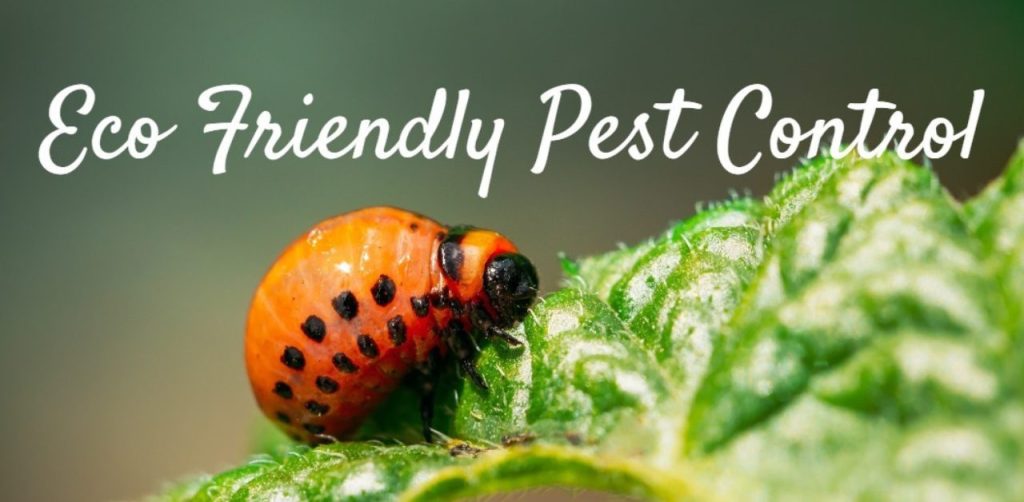
In today's market, offering eco-friendly pest control solutions is more than just a trend—it's a strategic move that can significantly enhance your business's value. Here's why:
Modern consumers are increasingly eco-conscious, seeking products and services that align with their environmental values. By offering eco-friendly pest control, your business taps into this growing demand, potentially expanding your customer base and increasing revenue.
As more companies join the green movement, businesses that fail to adopt sustainable practices risk falling behind. Utilizing eco-friendly pest control differentiates your company, positioning it as a leader in an increasingly competitive market.
As governments worldwide tighten environmental regulations, businesses implementing eco-friendly practices are well-positioned to navigate these changes. Staying ahead of regulatory trends ensures compliance and reduces potential costs related to legal and operational shifts.
Adopting sustainable practices can significantly enhance your brand's image. A commitment to eco-friendliness builds trust and loyalty among consumers, making your business more appealing to potential buyers who value established brand integrity.
Eco-friendly pest control solutions are frequently designed with sustainability, often leading to long-term cost savings. Efficient resource use reduces waste and can lower expenses, positively impacting the bottom line.
Incorporating these elements into your business strategy doesn't just align with consumer expectations but solidifies your position in the market. When it comes time to sell or appraise your company, these factors contribute to an increased business valuation, reflecting the holistic benefits of going green.

To make your pest control business attractive to potential buyers, it is important to prepare thoroughly:
When considering the sale of pest control businesses, a wide variety of specializations are available in the market. Here's a comprehensive look at the types of businesses that can be sold:
Given this broad spectrum, there's significant potential for those savvy investors looking to acquire a pest control business. From tackling rodent issues to specialized insect management, the opportunities are vast and varied.
Types of Buyers for Your Pest Control Business